Study abroad #2
Ecuador - February 11 to March 1, 2026

¡Quito, Quito, te quiero bonito! [English: Quito, Quito, I love you beautiful!]
From a UV index of 11 and afternoon thunderstorms like clockwork, our time thus far in Ecuador has been magical chaos.
I’m sharing a host family and most of my days with Samiha, my wonderful new sister from Atlanta. She is one of the incredible humans on my program and has been a grounding (and giggling) force since we moved in with our host family.
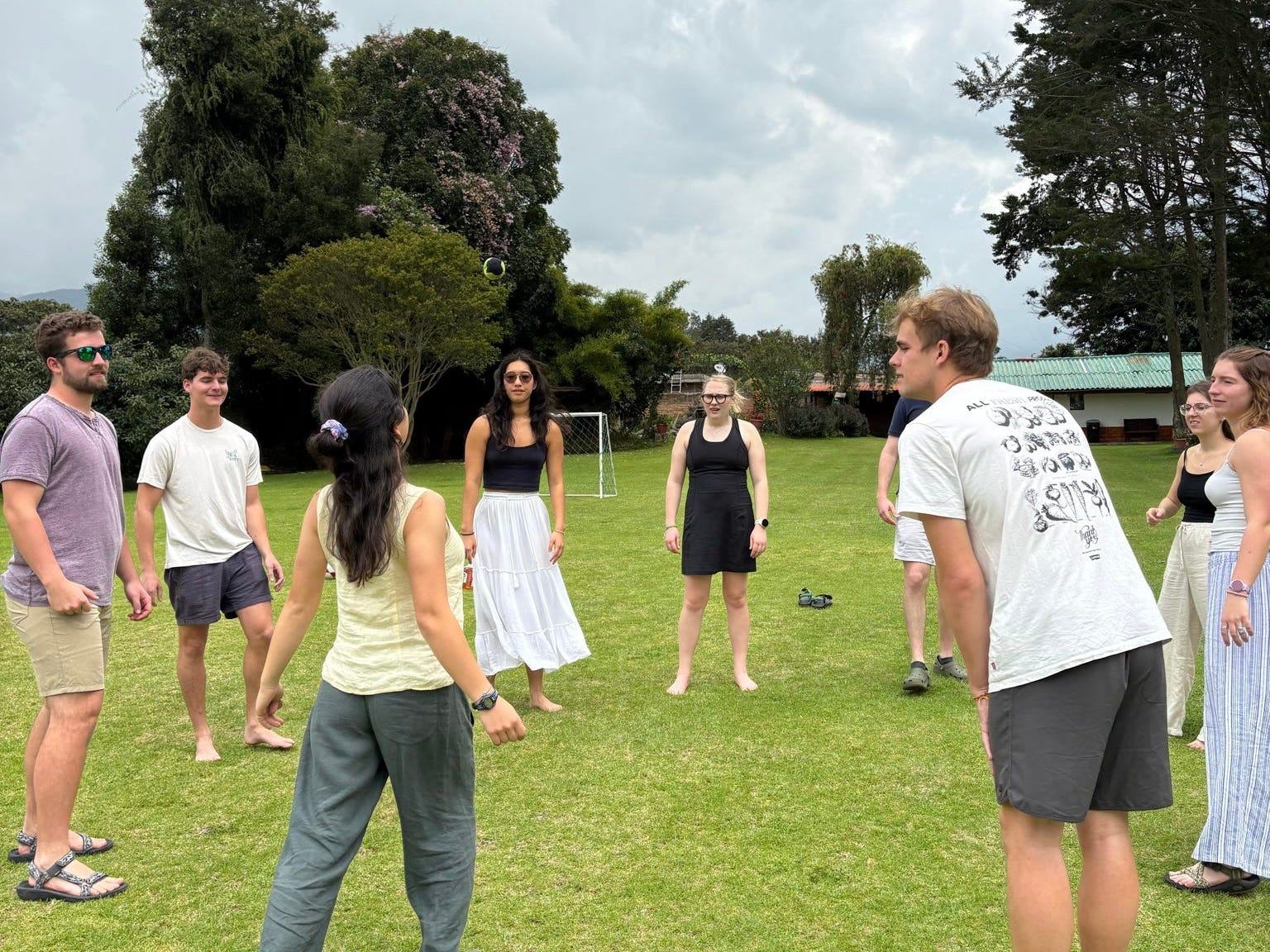
Upon our arrival in Ecuador, we spent a couple days at an airport hotel adjusting to the 9000’+ elevation and participating in an in-country orientation. We learned a little about the country’s politics, the best ways to navigate the city, and even a little slang from two Ecuador coordinators who are our age (acho = slay?). During these two hotel days, I felt grateful to be able to catch my bearings before jumping into our host stays. I didn’t know what to expect in terms of the altitude adjustment, but I certainly felt sleepy, out of breath, and had sore knees and hips for at least the first week. Notably, it was at the airport hotel (plus a little bit in the actual airport) where we started our hacky sack craze.
By the time Friday rolled around, the group was eager and buzzing to leave the hotel’s walls and meet our families. It poured rain on the bus ride into Quito and I remember looking out the window feeling all the feelings—nervous to meet our new family, hopeful they would like us, and inexplicably excited to settle into a routine in this new place we would call home.
It was also just as we each went our (more-or-less) separate ways to our host stays that I started to feel a real closeness to the group. There are 27 of us, and while I certainly haven’t had the chance to bond with everyone yet, there was a comfortability emerging that excited me alongside all the other excitement. It continues to be true that learning from these places and their people has only been rivaled in feelings of enrichment by getting to know those on the program.
However, for the time being, we pivoted our focus to embracing our new families and diving headfirst into a four day weekend celebrating Carnival!
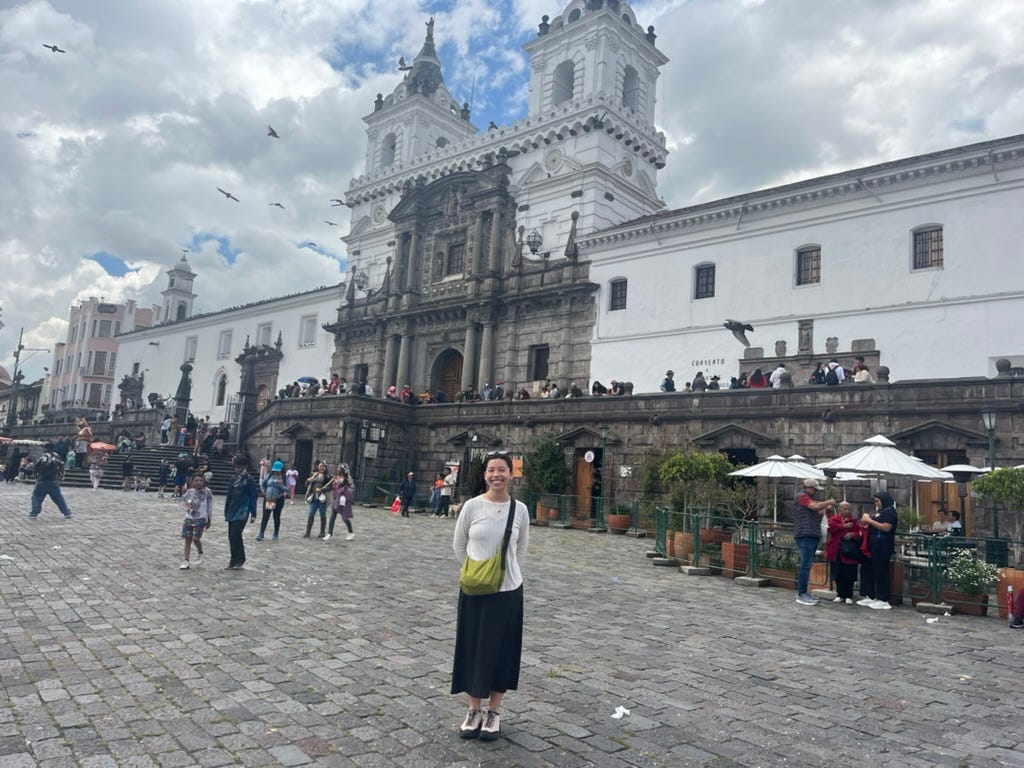
Jumping into our time in Quito, we celebrated Carnival, a four-day holiday that blends the country’s Catholic and Indigenous traditions with colorful, musical, and chaotic vibes. I honestly still don’t really understand what the holiday is celebrating, but it sure felt like a party wherever we went. From parades to street dances to a whole ton of espuma (spray foam) and colorful chalk, it almost felt as if our arrival in Quito was cause for a nationwide celebration.
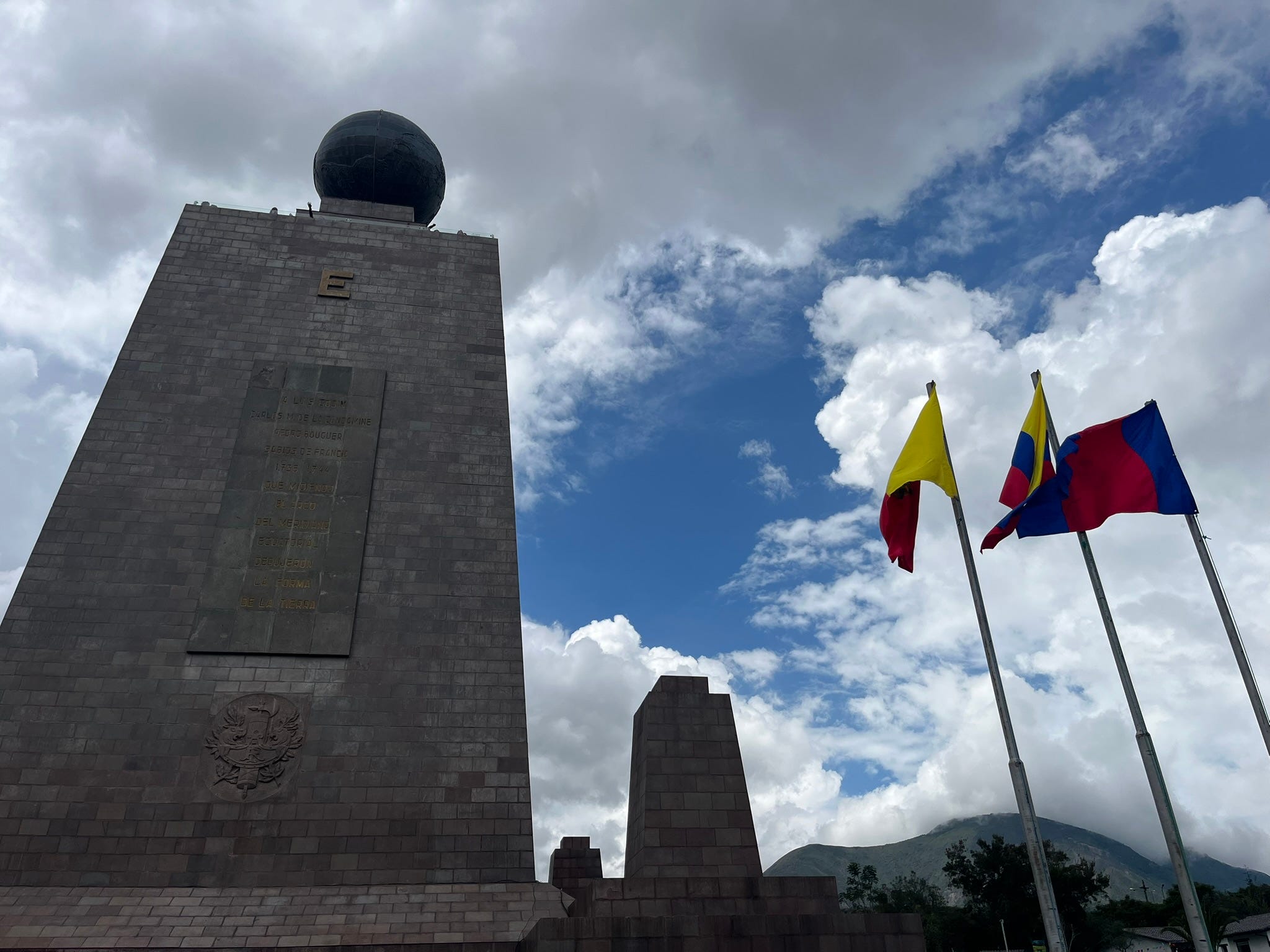
In these first four days, I adored getting to know our host mama and sister, two incredible people who have accepted Samiha and I (and our imperfect Spanish) into their beautiful home with so much delight and laughter. The four of us embarked on an adventure to the Mitad del Mundo (equator monument!), catching a parade and concert/party in the process. We also bumped into two others from our program, Ben and Sean, with their host-mom and dog, Luna, who was wearing a sweater.
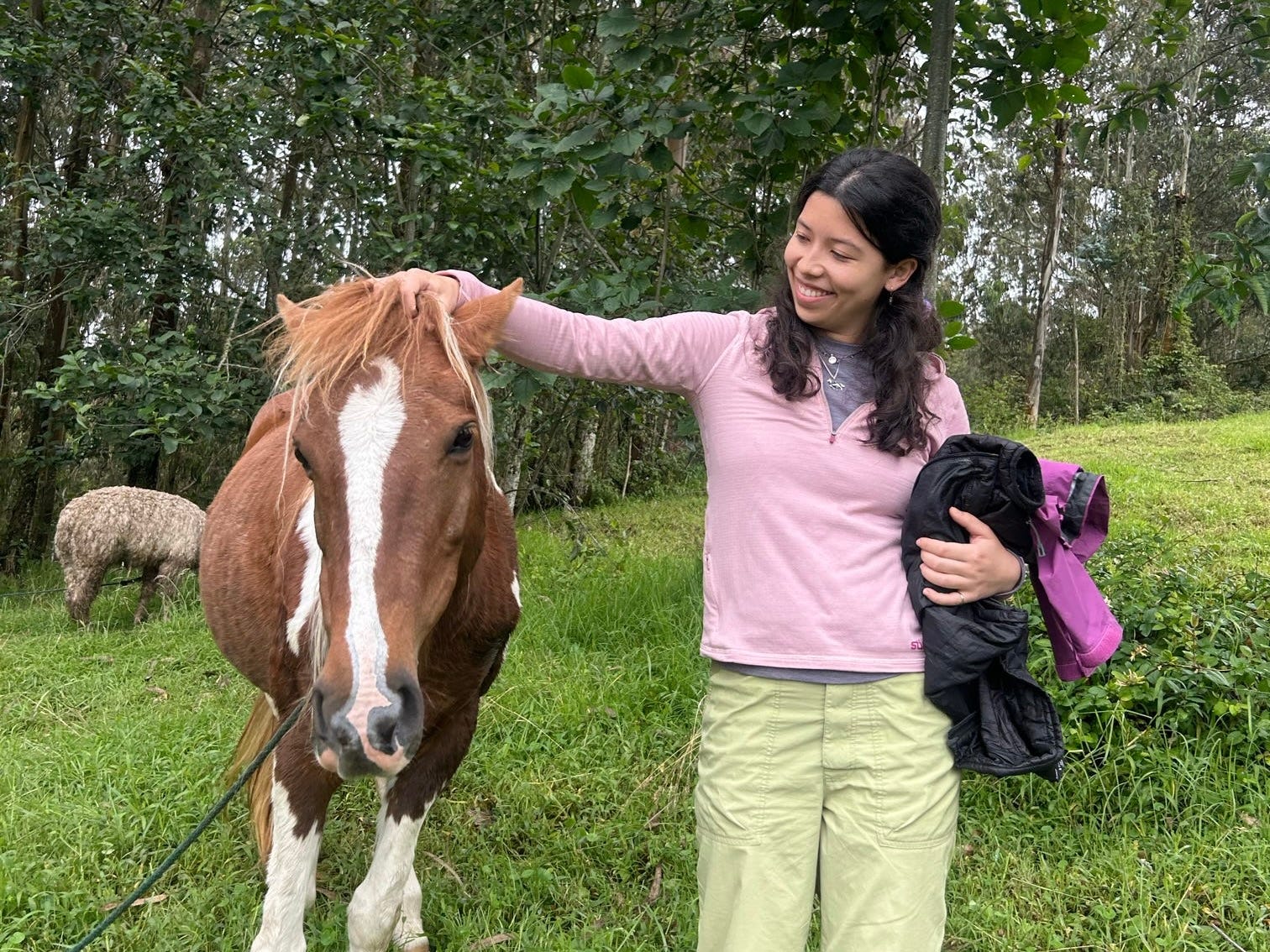
Something silly about our time in Ecuador is well illustrated by what happened after our visit to La Mitad. So, now with Ben and Sean in tow, we piled into the car (I sat in the trunk) and drove up into the mountains of northernmost Quito to meet our host abuelito y abuelita. The whole thing felt like a hilarious side quest that we hadn’t quite expected, and we all sat there giggling in their home, communicating in the best Spanish we could muster and enjoying aromática, a tea made with freshly picked herbs from our abuelos’ garden. Oftentimes, moments like this have arisen, when Samiha and I have absolutely no idea what’s going on but go along with whatever it is, smiling and laughing, because we’ve learned that wherever we end up is guaranteed to be a grand time.
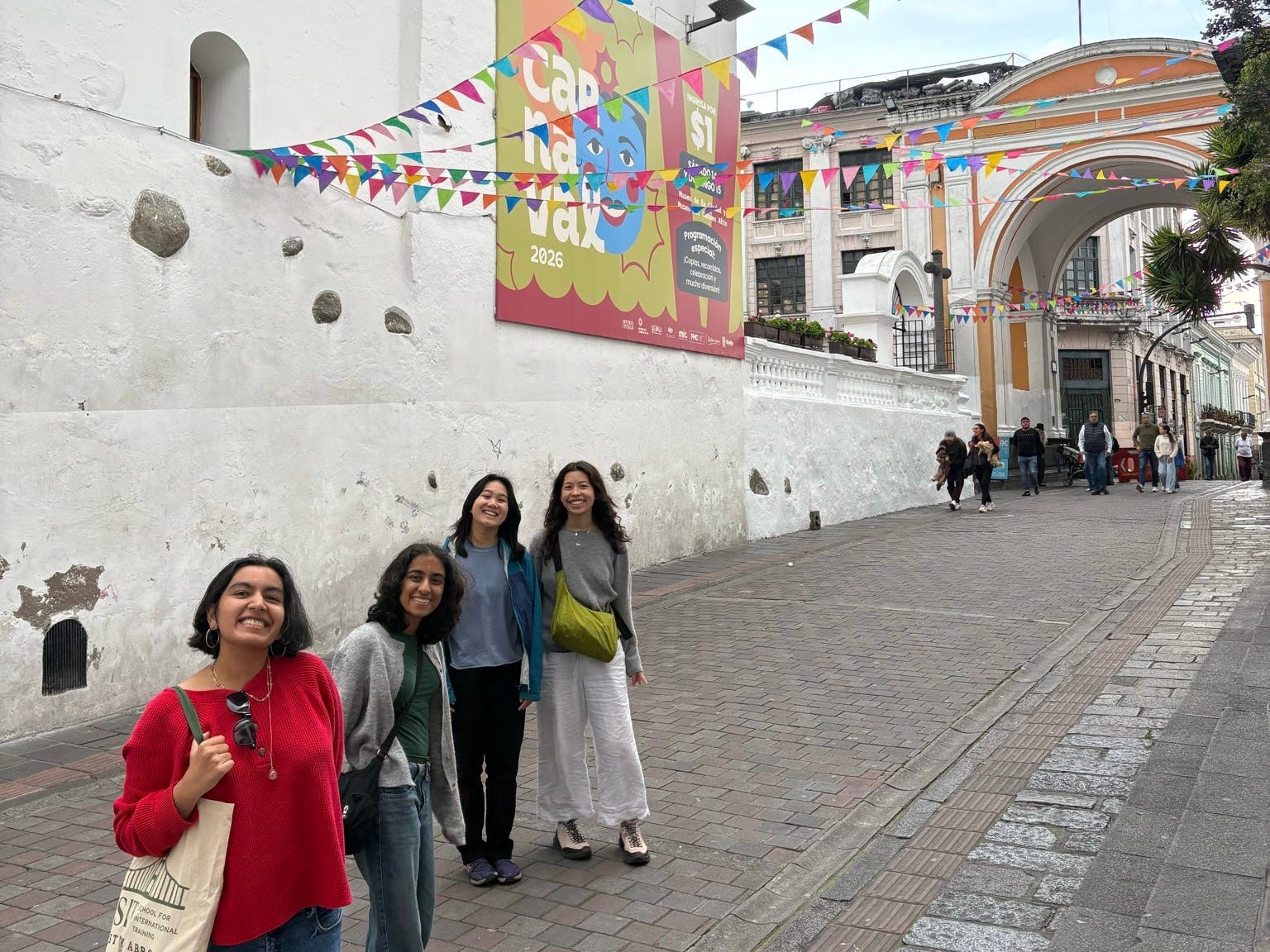
The next day, we took the metro with our host mom to Quito’s Old Town, along with two others from our program, Lucas and Caleb, and their host mom—our next door neighbors! I’ve loved being a tourist in the company of our host mom. She’s always encouraging us to try little treats and notice things we probably would have missed without her guidance. She has the most lively, youthful spirit and gets such a kick out of watching Samiha and I try new things and experience Ecuadorian culture firsthand.
With the conclusion of our first week in Ecuador and the festivities of Carnival, we moved right along into a week of lectures and classroom time. The building in which we have classroom space in Quito is shared with a local language school as well as another SIT program (stationed exclusively in Ecuador). It was a joyful surprise to bump into a familiar face here—a friend of a friend from Middlebury who is studying with SIT Ecuador!
This week provided us with two anthropology classes in which we discussed conducting ethical research and our positionality as researchers, in addition to a political economy class centered around racial capitalism’s roots in climate change. Our conversations interlaced topics like privilege, generational wealth, and what it means to enter a space as an outsider. We also had a couple guest lectures focused more closely on Ecuador’s environmental positioning.
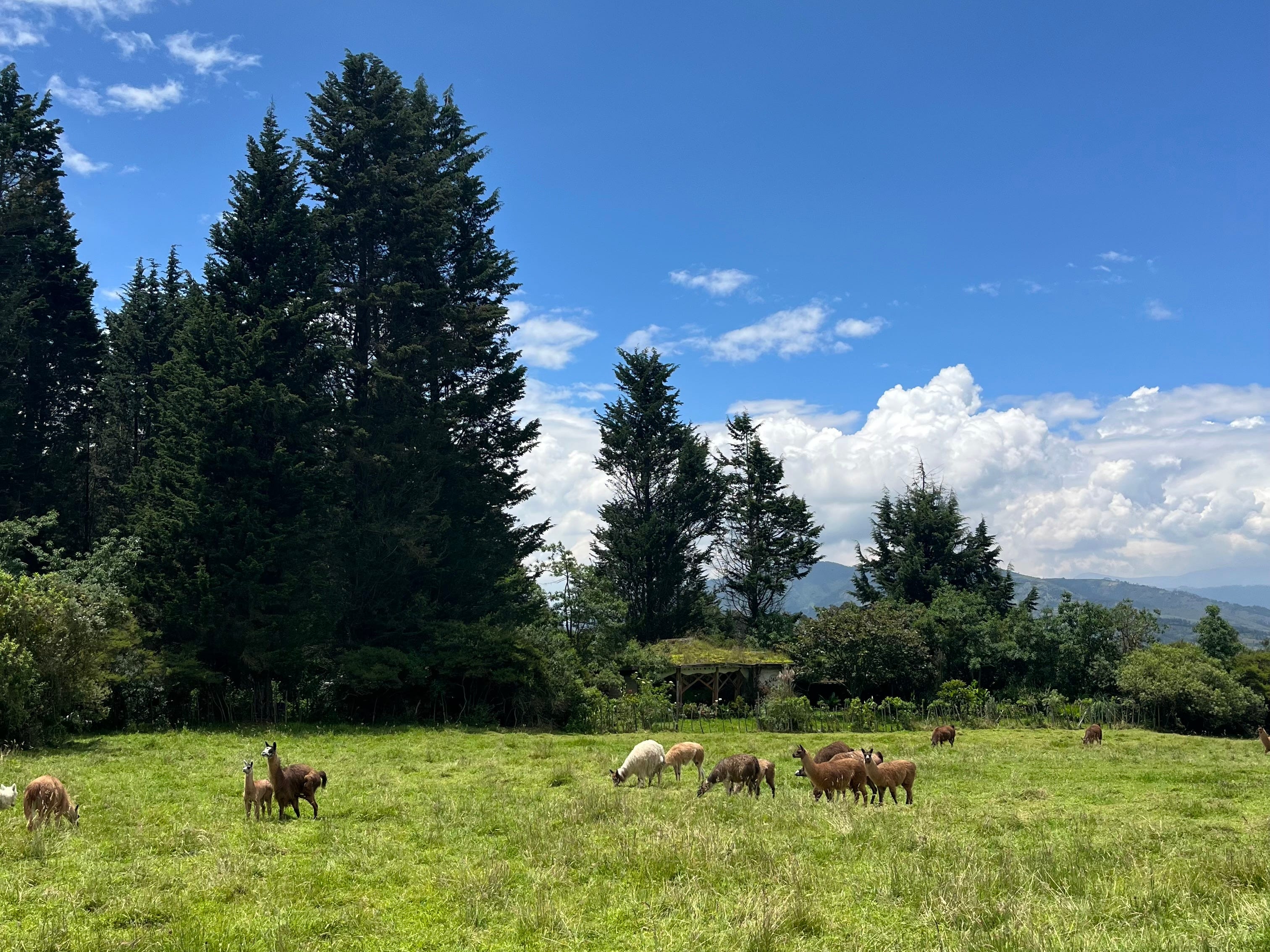
I think the most incredible thing I’ve learned about Ecuador’s environment is just how much it contains. Comparable in size to the U.S. state of Nevada, Ecuador holds a sprawling coastline, temperate mountainous forests, snow capped peaks, over fifty volcanoes, the most biodiverse section of the Amazon Rainforest, and so many other incredible features nestled between. We got out first taste of this variety during a field trip to a permaculture farm and homestead about two hours outside of Quito. At the base of the country’s central Andes Mountains, Atukpamba was a sprawling and lush place where we saw some of the most impressive regenerative farming that I have ever witnessed. One of the co-managing sisters of the farm, Carina, talked us through her home with so much love and passion that I could almost feel the care for the land emanating out from below my feet.
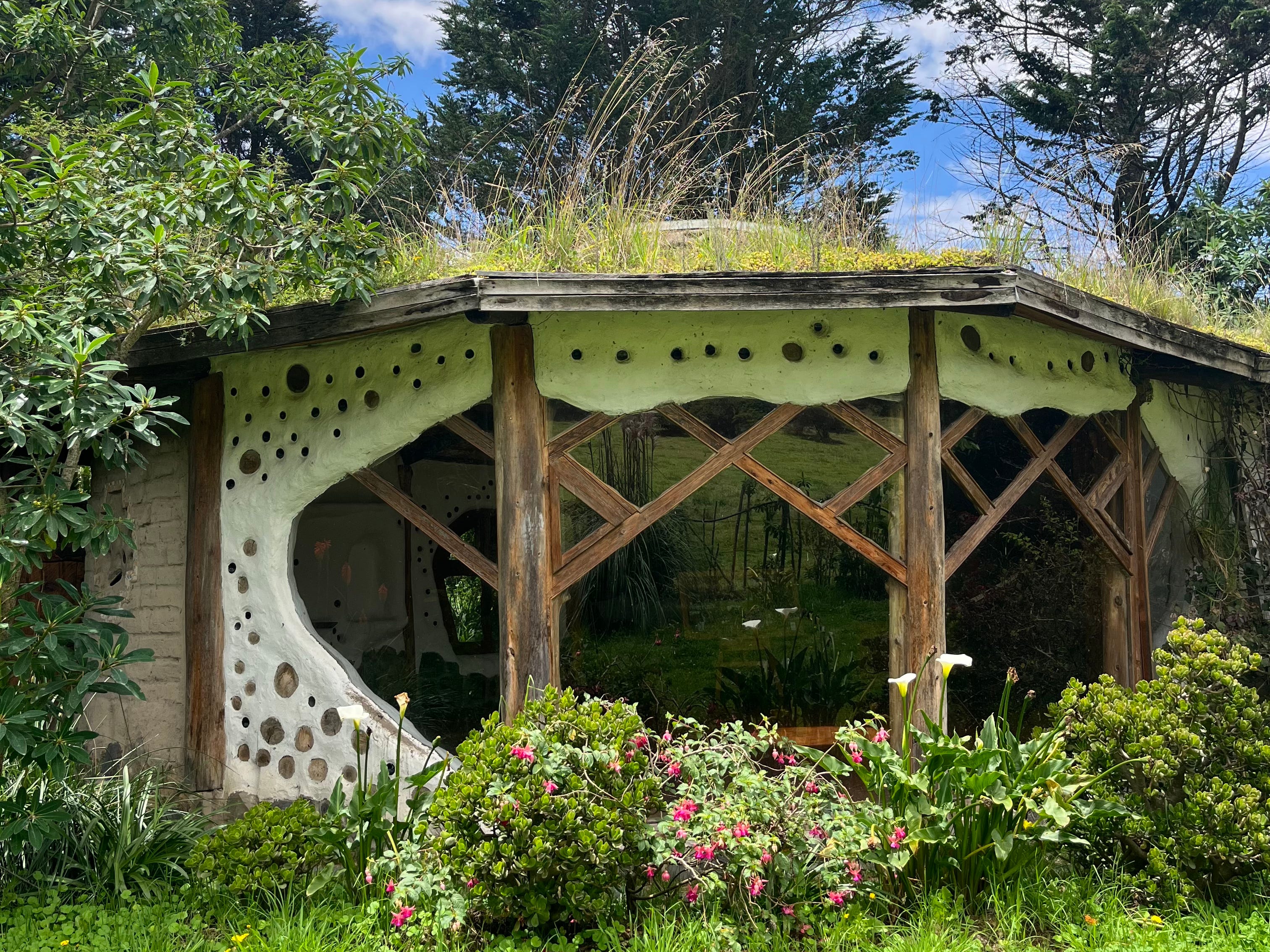
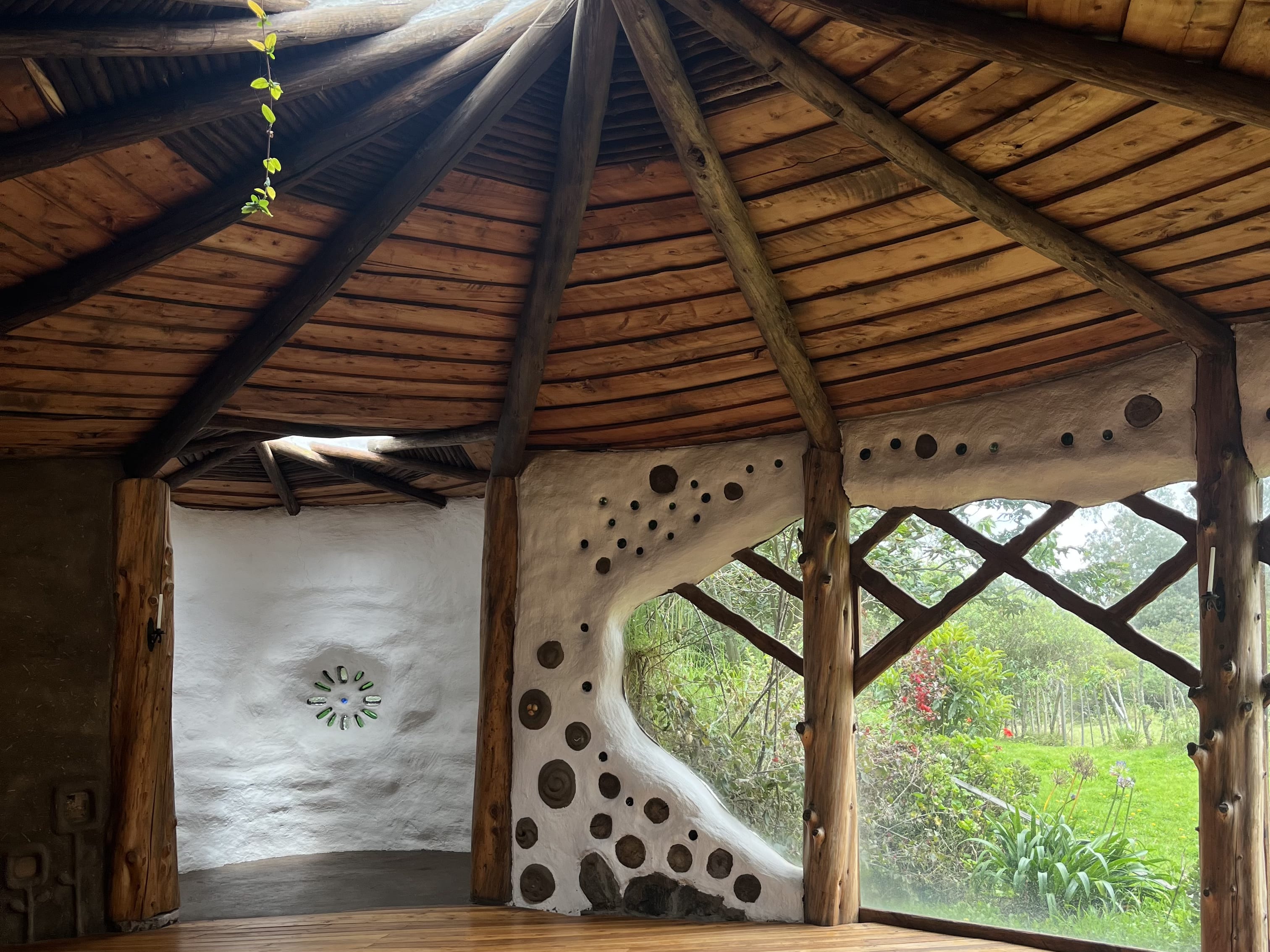
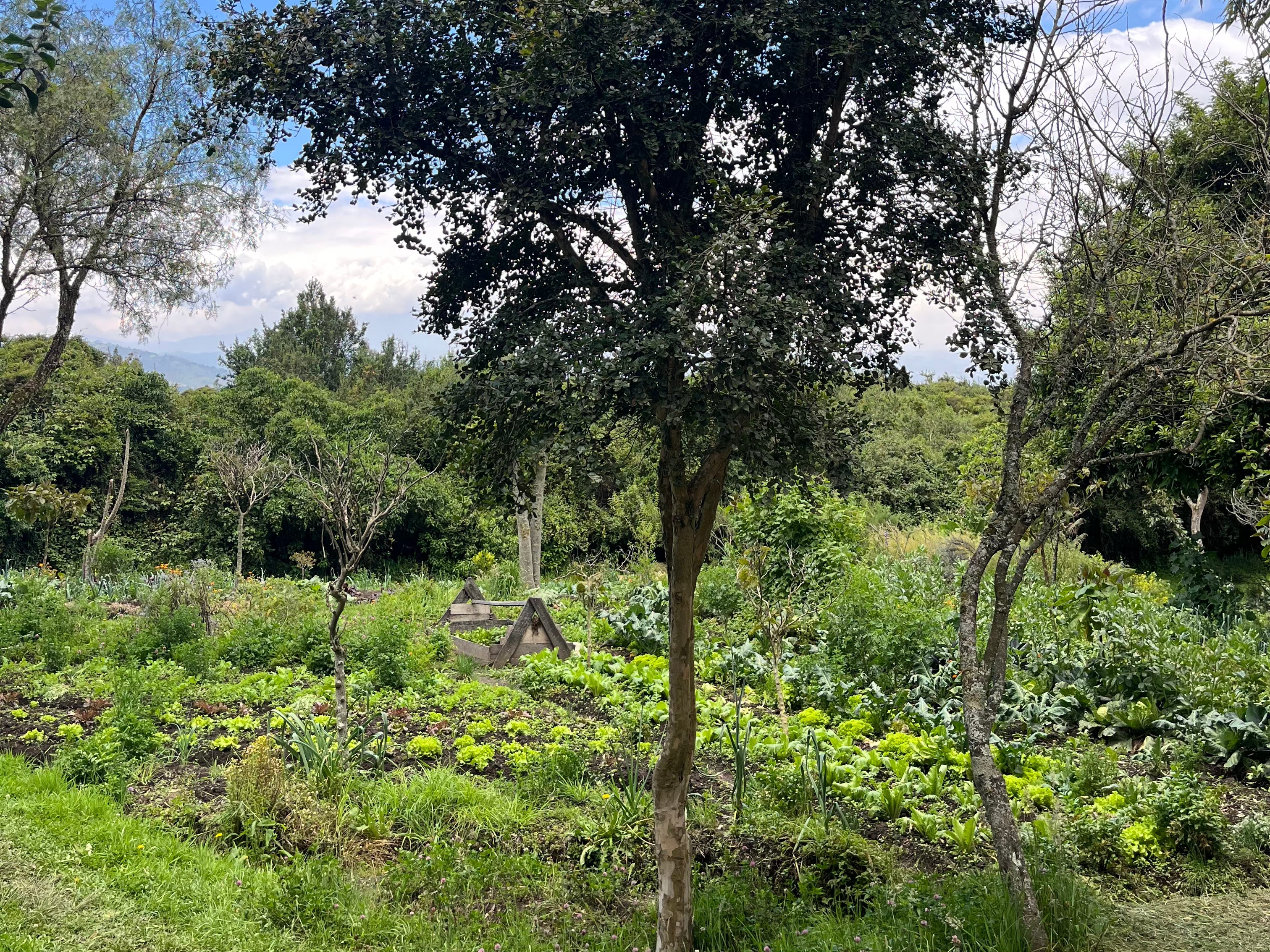
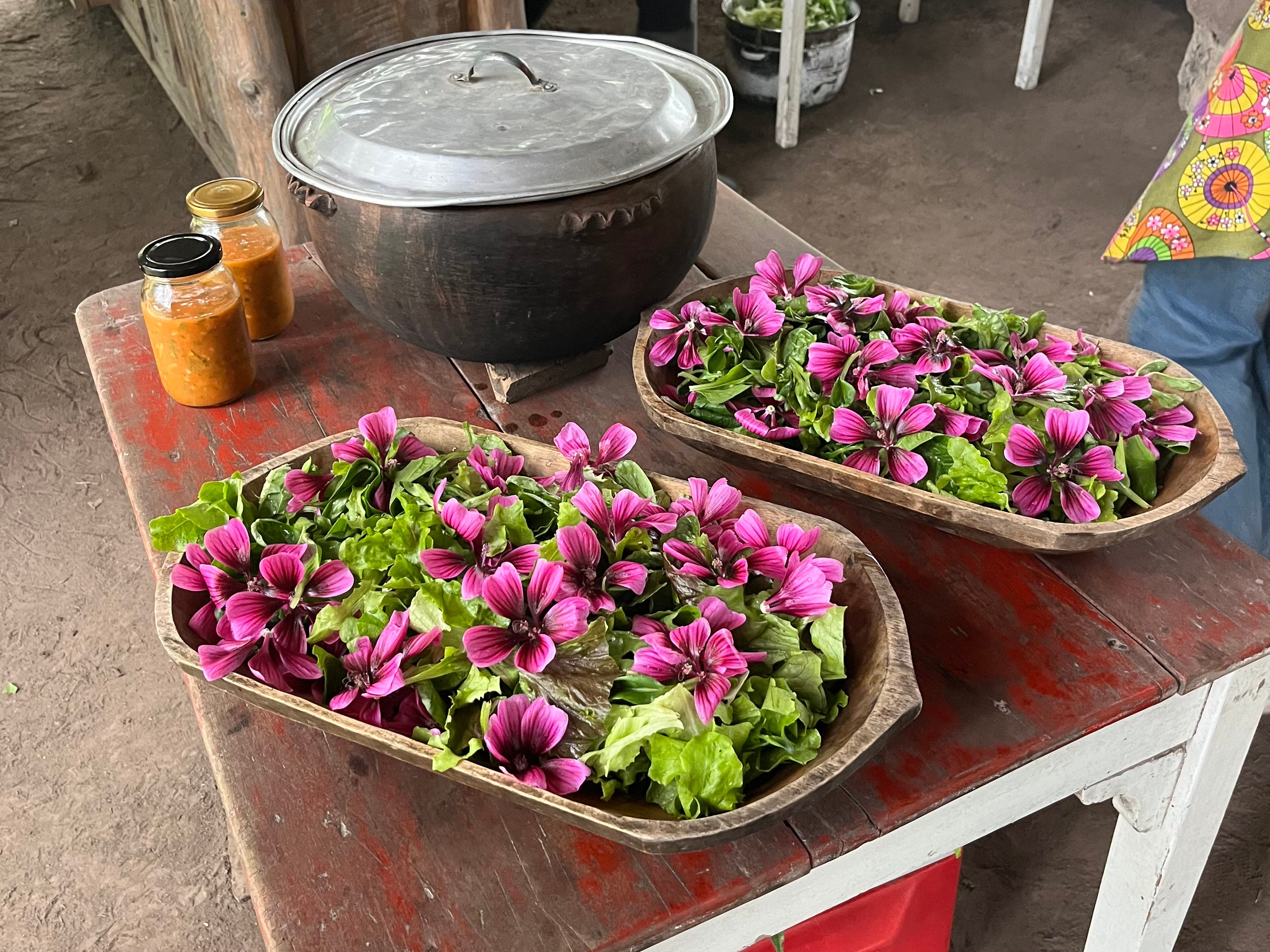
Our time at the Atukpamba permaculture center also provided me with a loud reminder that when I’m outside the city—in the quiet of a rural place, with soil and living grass beneath my feet—I feel the most whole. While our program is focused on climate and many of our learning excursions take us far from honking, flashing urbanity, our homestays are centered in big cities throughout the program, and I’ve found it easy to lose touch with myself while living in an urban area.
That being said, this is also the very first time in my twenty years on Earth that I’ve lived in a city, and I’ve found it magical in its own ways. Also, it means that when I do step off the bus into places like Atukpamba, I immediately feel the rush of coming back to myself, coming home. Which is only possible to feel when I leave that environment in the first place.
And again—the weekend!
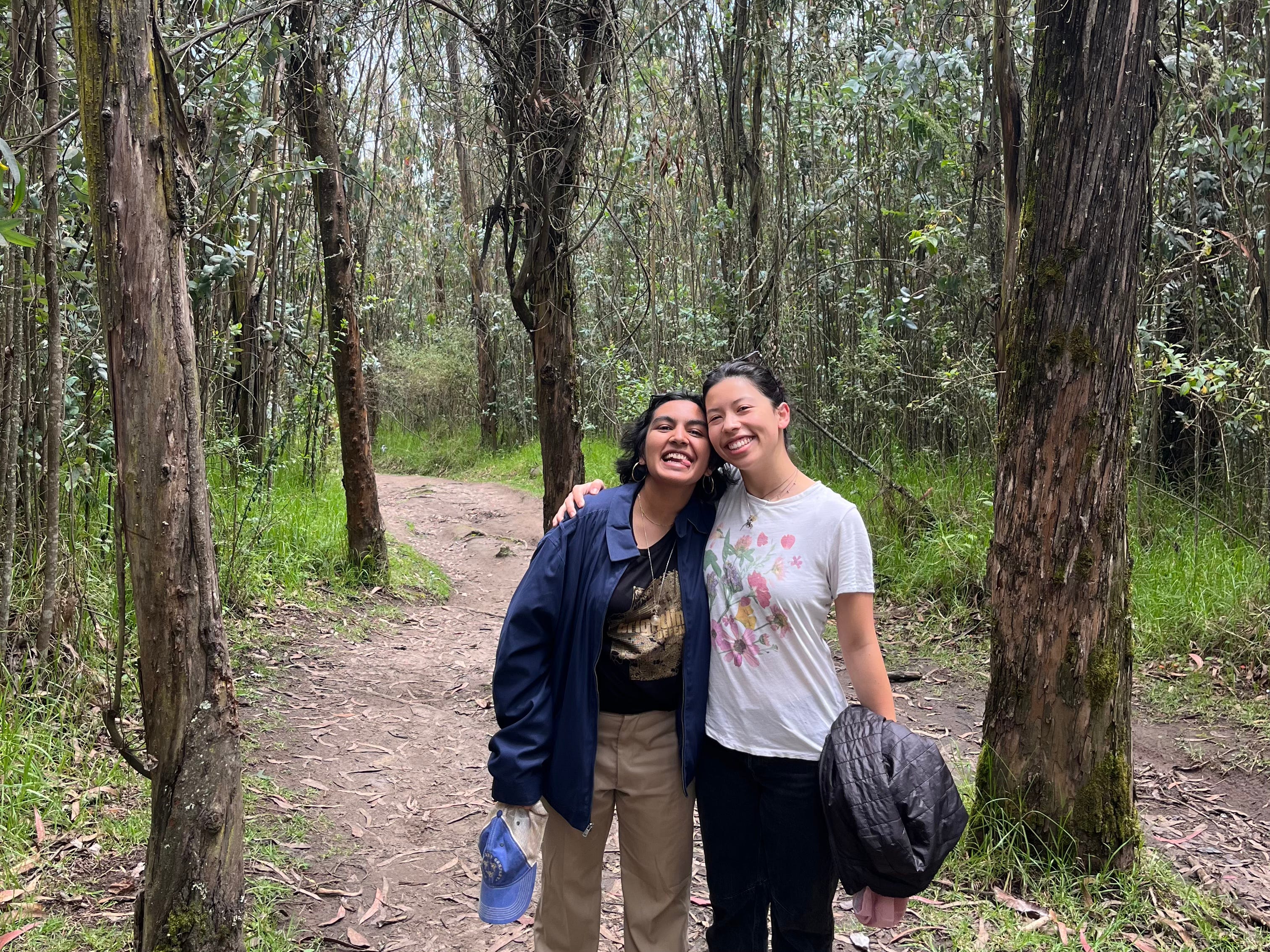
Samiha and I remarked how at home (the U.S.) we feel like full fledged adults, but here in Quito we are our host mama’s babies. She brings us with her to walk in the woods, to meet her friends and family (we’ve met our host aunts, uncles, cousins, grandparents, and friends at this point!!!), to run errands and truly find fun in the most random of ways.
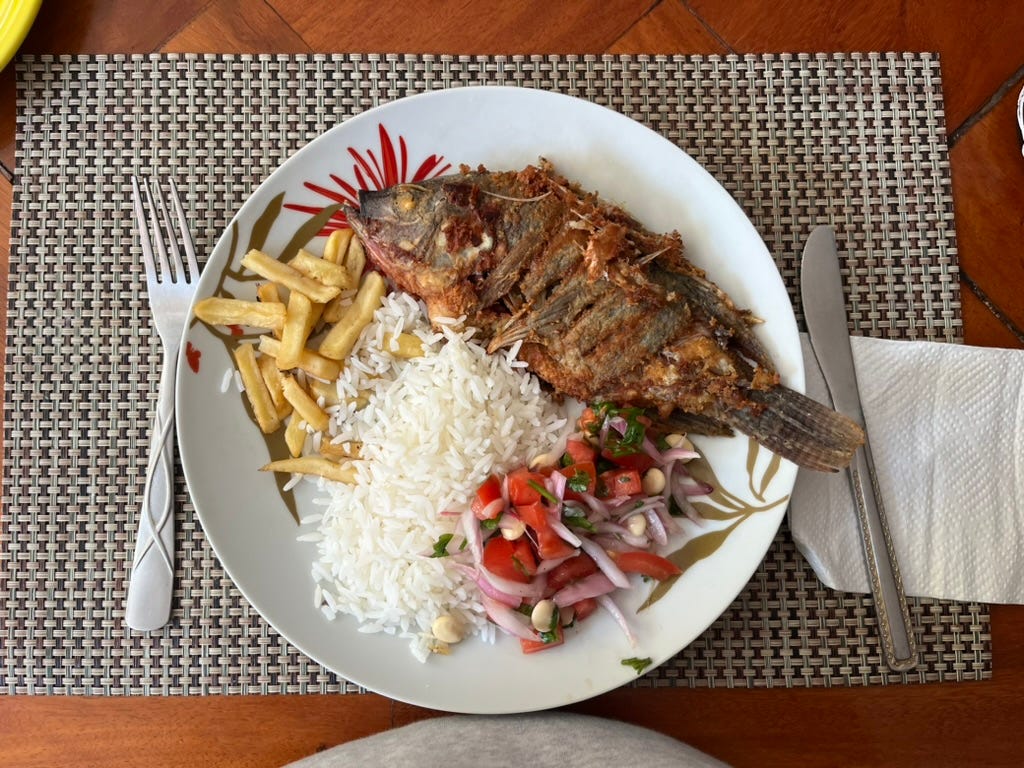
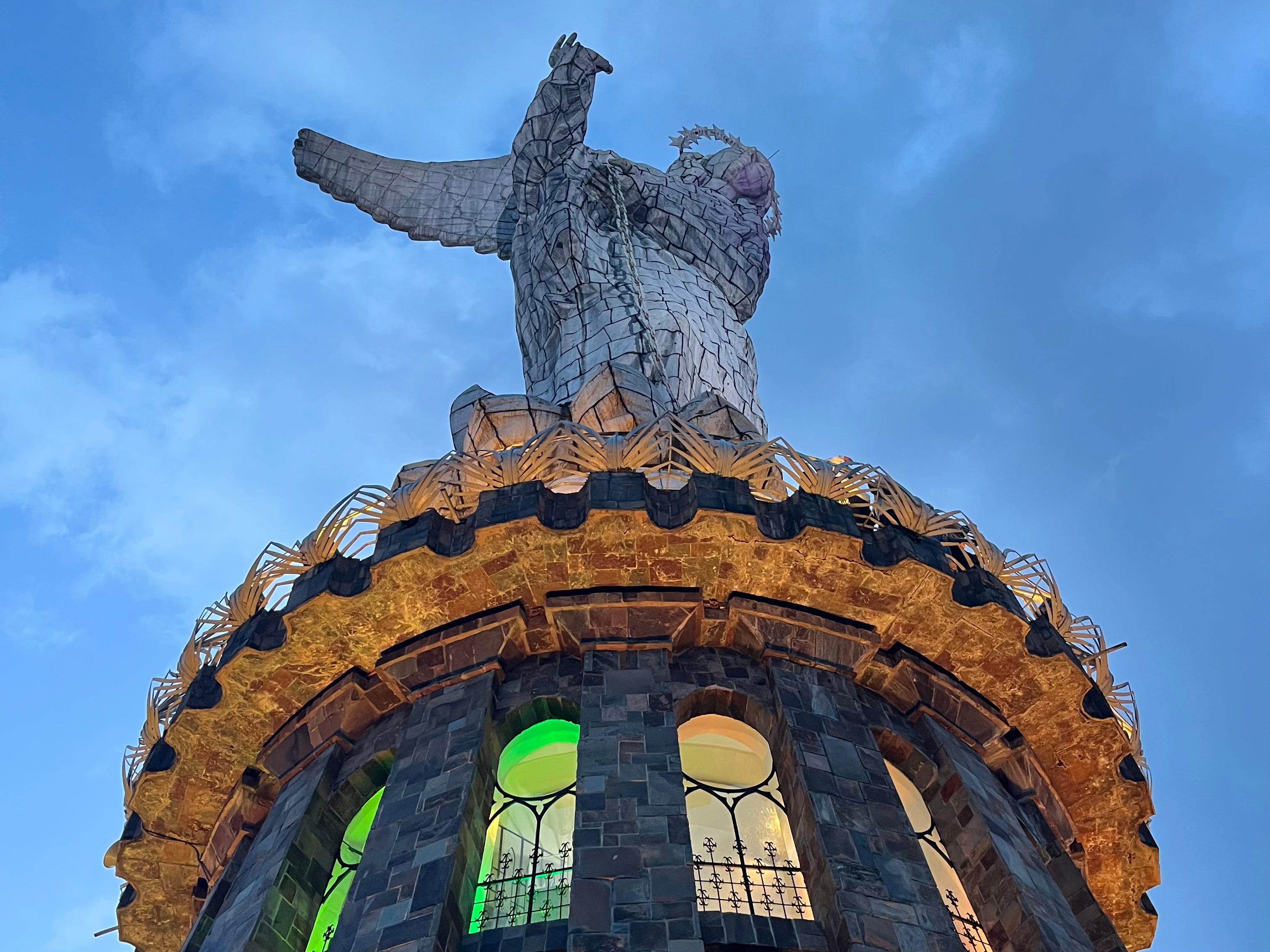
Both Samiha and I’s Spanish is good enough to understand about 80% of what’s going on and that other 20% is up to a constant surprise. This weekend of ours contained a visit to a famous monument, a salsa street dance, a few more whole tilapias, a museum visit, and of course homework—for this is school after all!
And finally, for the last part of this update, I want to share about our trip to La Comunidad de San Clemente in the Imbabura region of Ecuador, along with our Cotopaxi adventure.
Our week in San Clemente was our first official learning excursion—one of many we’re lucky enough to experience in each country we visit. Leading up to it, I wasn’t sure what to expect, and that uncertainty made me nervous. But with all the magical chaos that has already shaped my time in Ecuador, I exhaled those nerves into excitement the moment I stepped onto the bus.
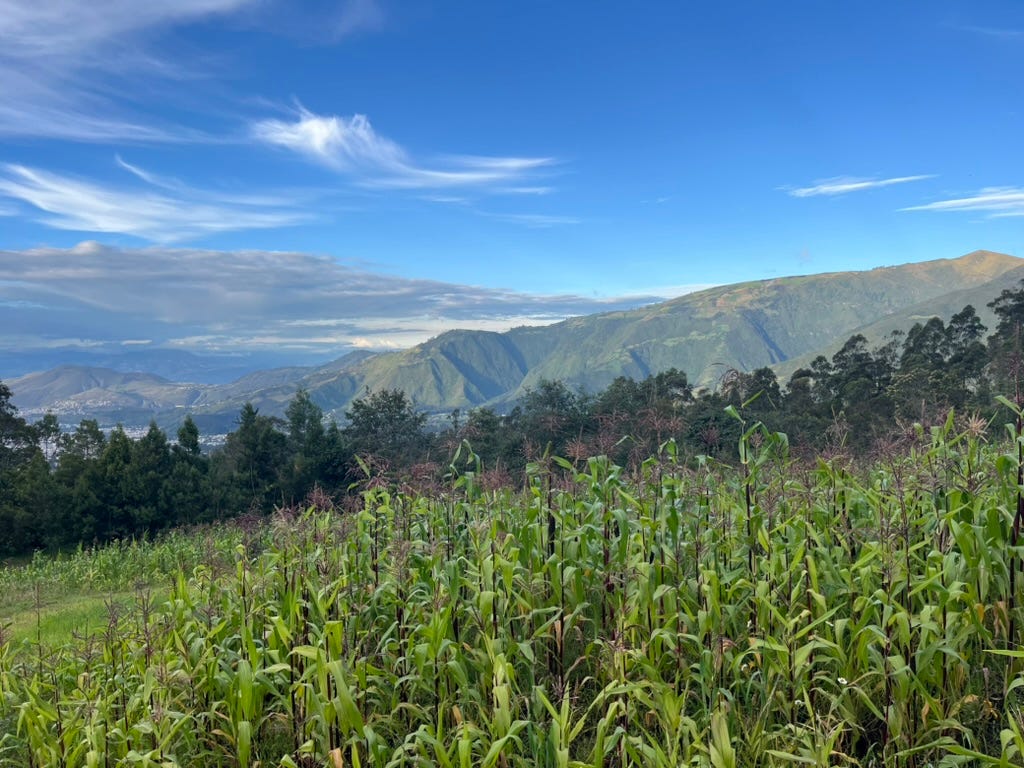
We arrived in San Clemente after nightfall, following a four-hour drive north through the mountains from Quito. As I stepped off the bus, I remember being struck by the quiet darkness of our surroundings, broken only by a small fire burning at the center of a circular ofrenda [offering] made up of flowers and baskets of fruit. Following the lead of whoever stepped off the bus before me, I hugged the four or five people who awaited our arrival, exchanging warm holas y gracias.
Coming from a culture that is always, always in a rush, I was immediately struck by our hosts’ calm, slow deliberateness.
The San Clemente community is a northern Andean Indigenous group of Kichwa Karanki people. Part of their way of life includes hosting groups (like ours) to share their culture and connect from a place of love. Honestly, going into this experience, I had no idea what to expect—which turned out to be a blessing, because the reality blew anything I could’ve imagined out of the water.
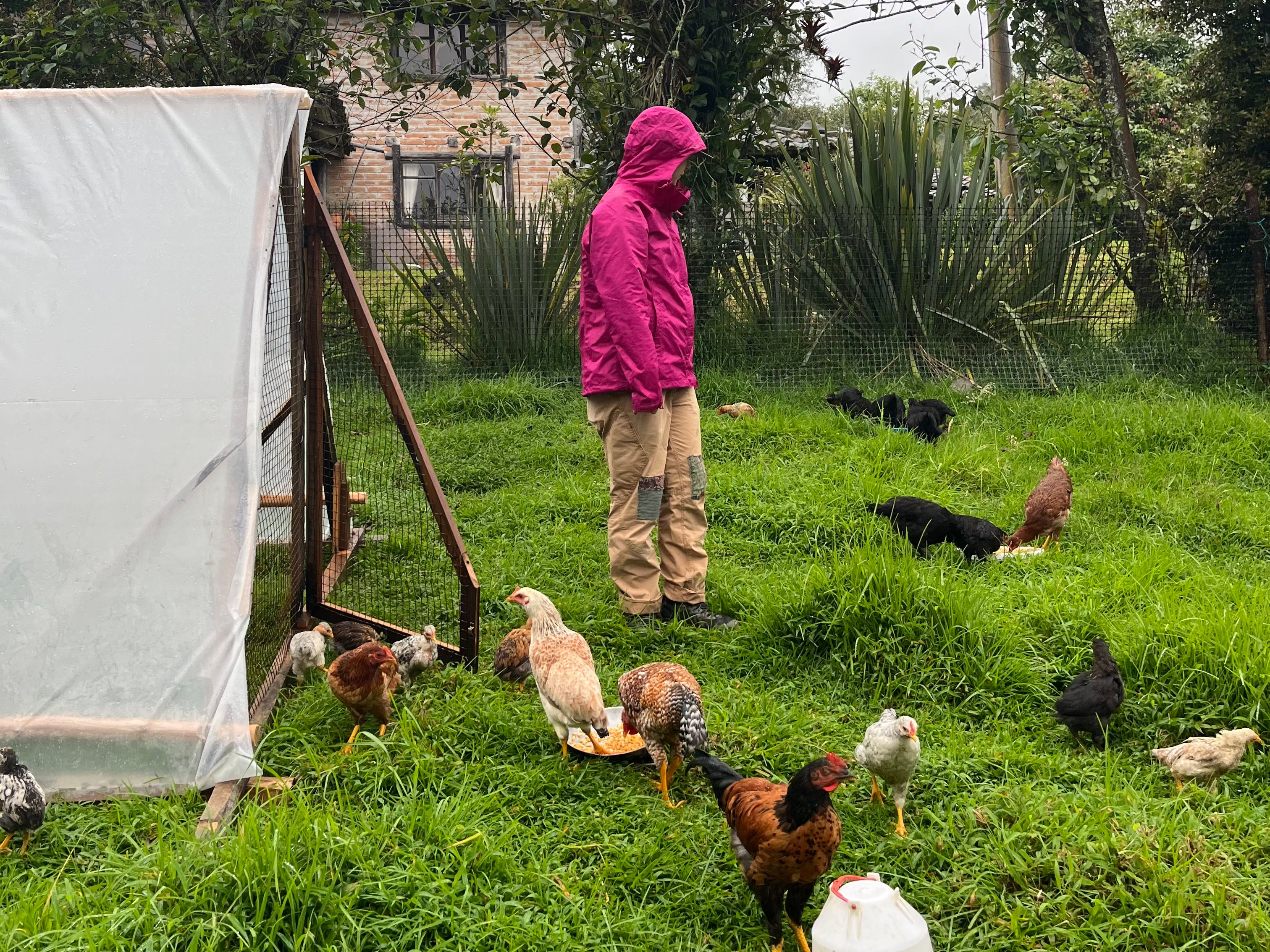
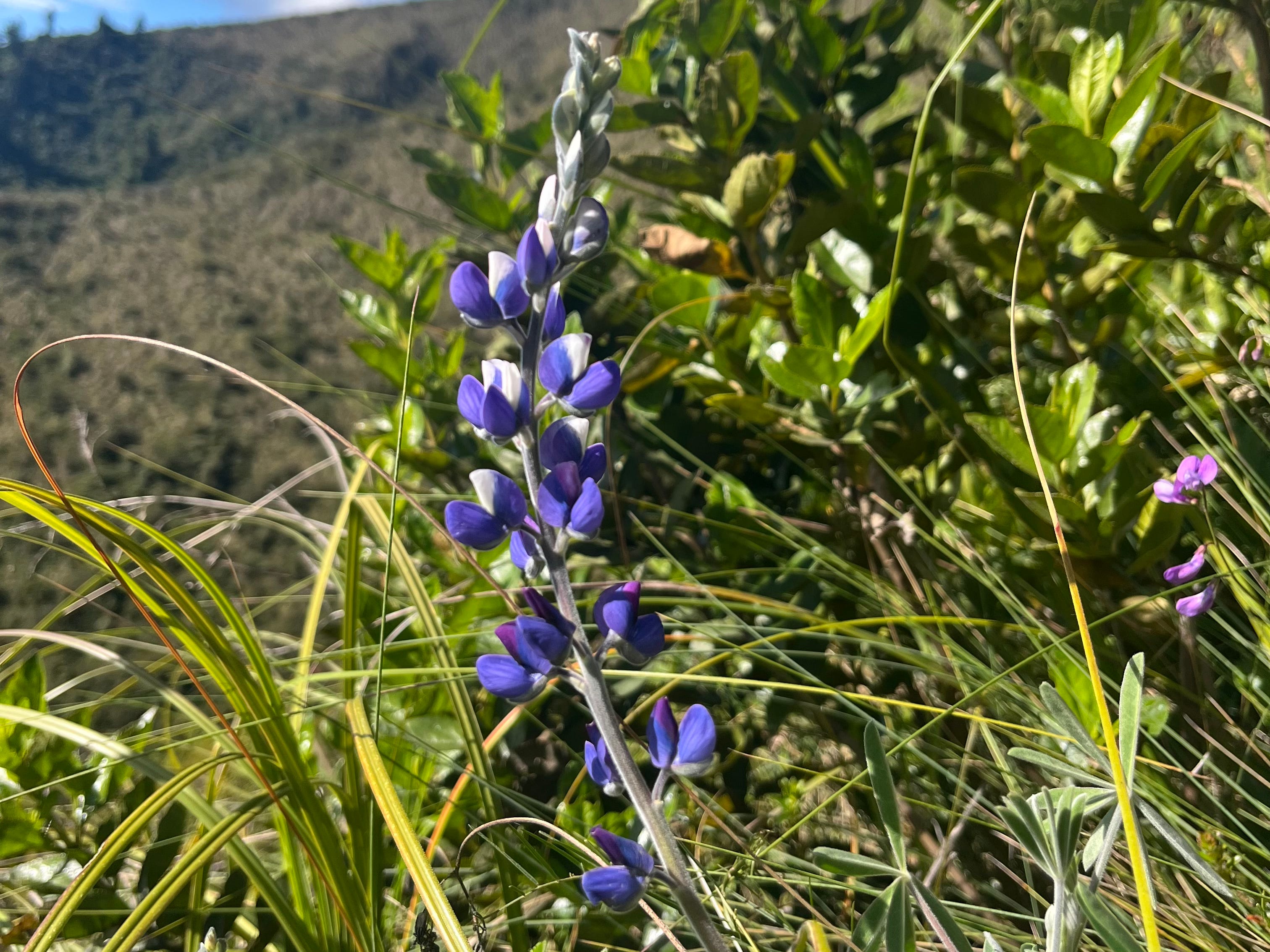
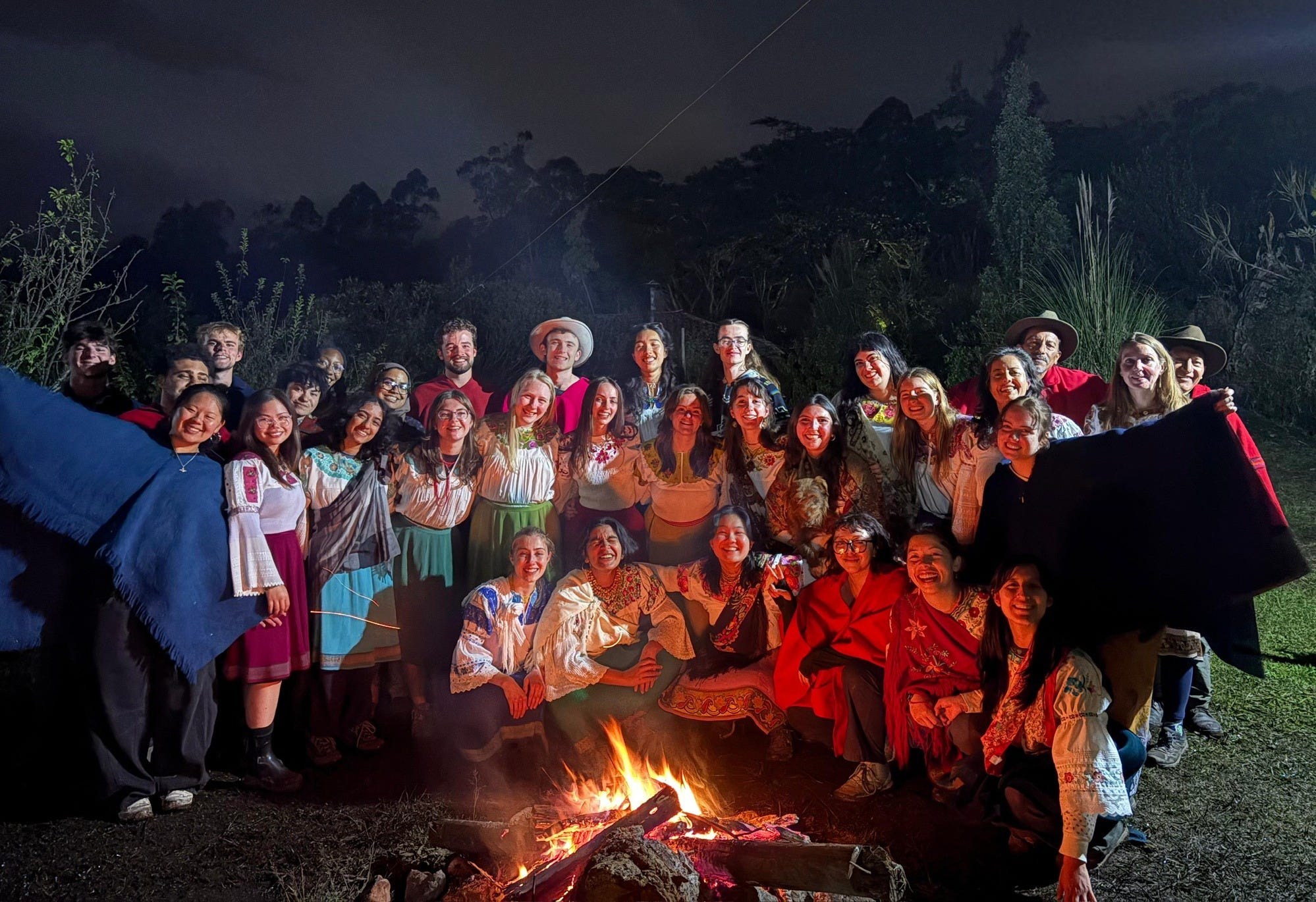
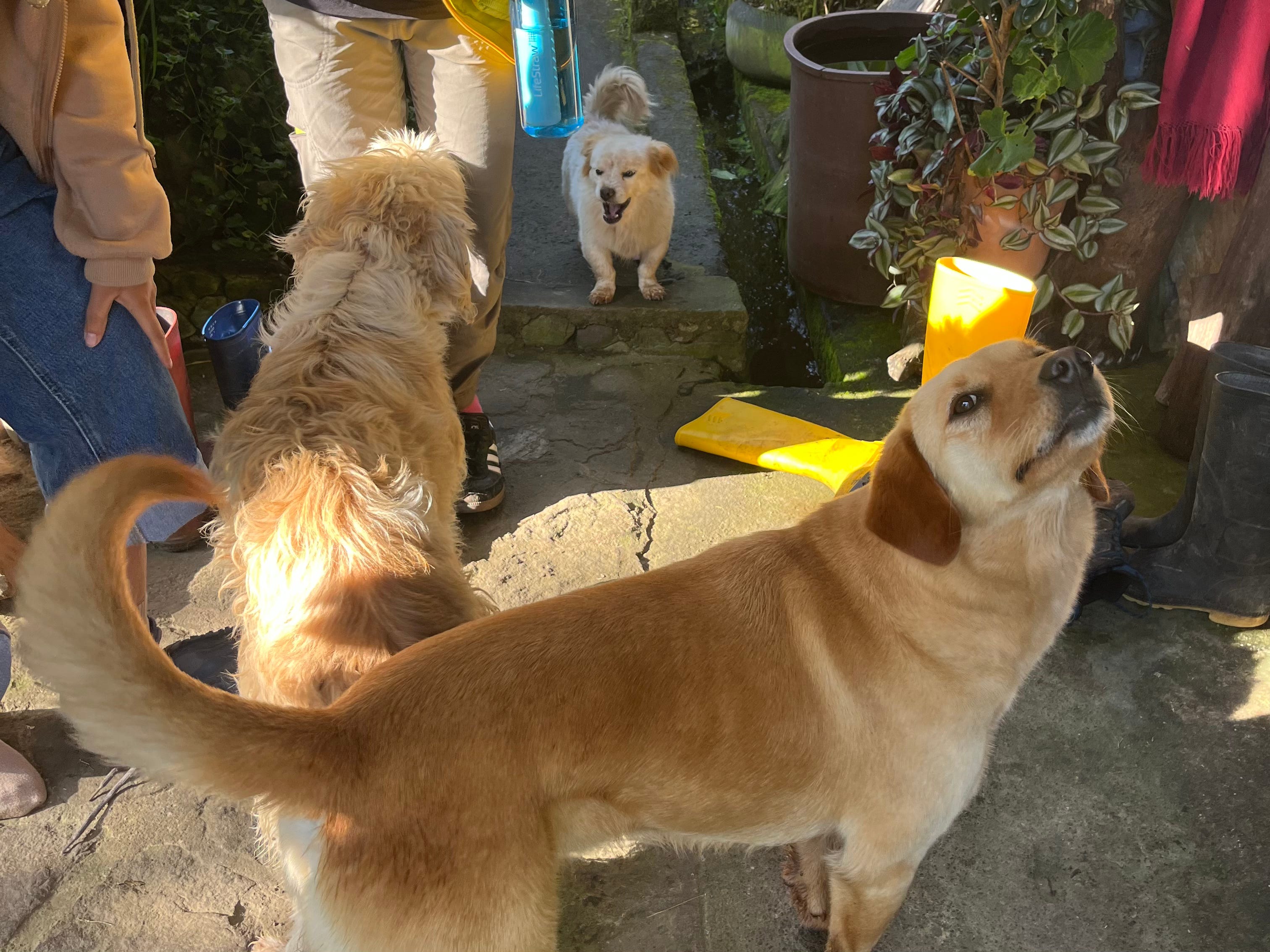
These were some of the best days of my life yet. Getting to know the animals, the land, the plants, the people, the culture, the food… We learned about the community’s governance systems, the rhythms of daily life, their agriculture and land-care practices, how to cook some of their dishes, and even how to dance a little. We hiked around Volcán Imbabura, 14,000 feet above sea level, chased chickens, and made a small ofrenda of our own at San Clemente’s water source.
My very favorite part of the week was getting to know the family who hosted us. The others in my group whom I was staying with and I shared some really beautiful moments with them—strumming guitars, playing Pass the Pigs, caring for animals, helping prepare meals. We had conversations that moved me and filled my heart with joy and inspiration. At night, under my three heavy alpaca-wool blankets, I felt so grateful to be there that I almost had to pinch myself.
What a gift this experience is. I hope to return here when the time is right.
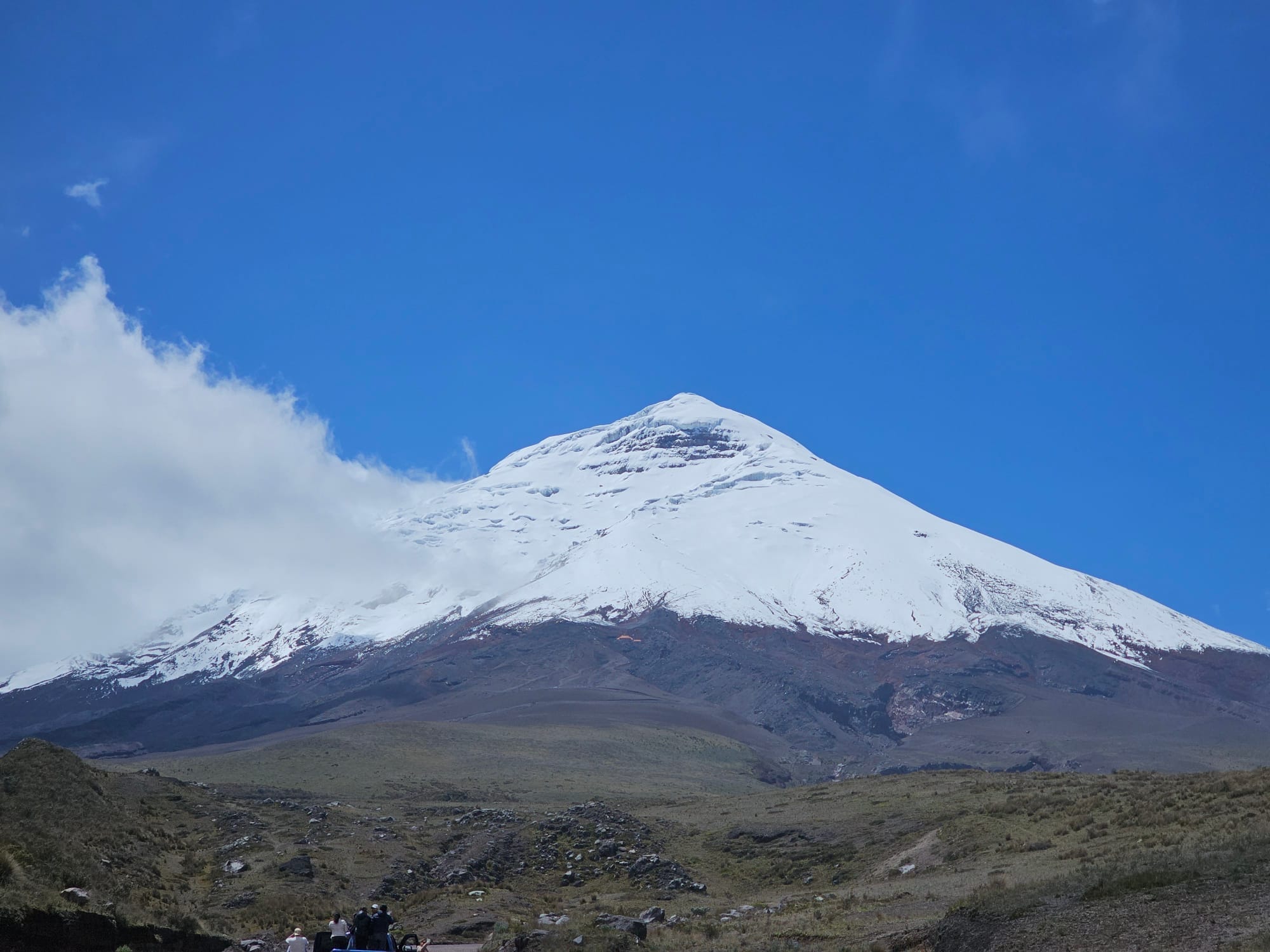
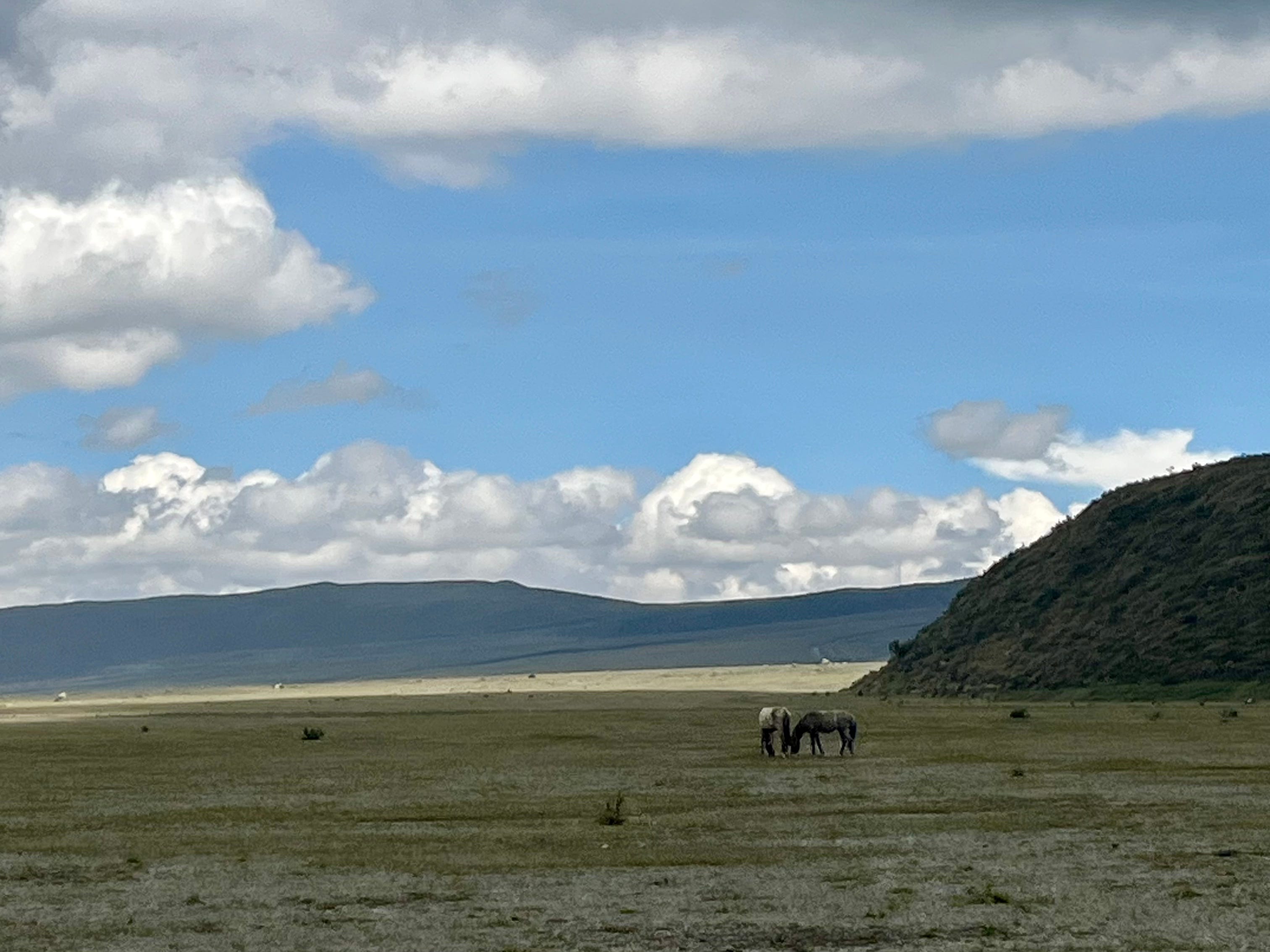
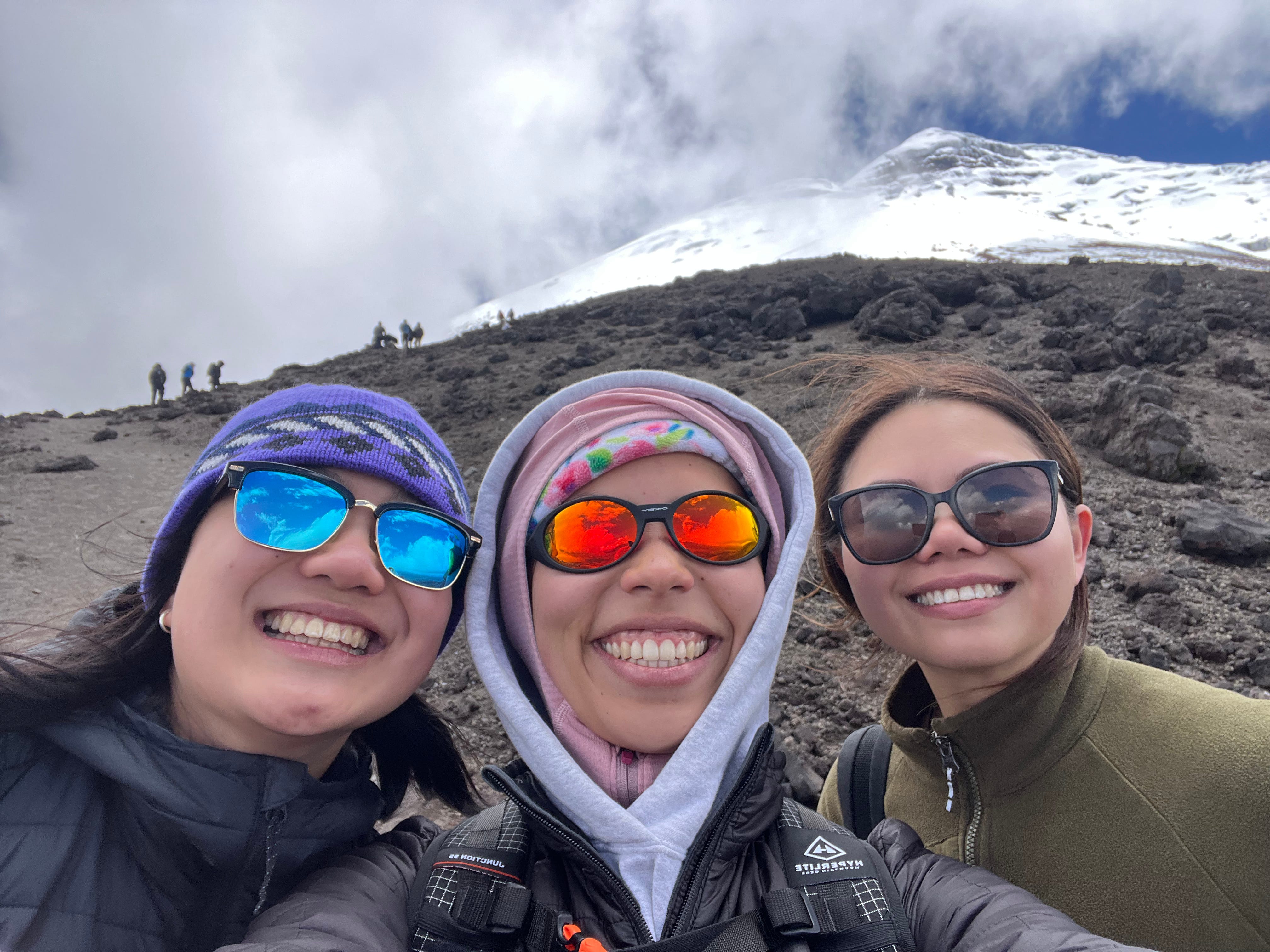
And to conclude this story of mine, yesterday we hiked to Refugio Cotopaxi José Ribas, the basecamp of Volcán Cotopaxi. I’ve got no notes on this adventure other than: great day, great friends, I love Ecuador.
With that, I’d like to thank you for reading this long winded bloggy of mine. I miss and am grateful for all of you. If you’d like to watch my Ecuador montages thus far they will be linked here: Ecuador Part 1 — Ecuador Part 2.
Love always,
Lucy
Wonderful!!!!
Tearing up reading this and seeing the pictures of you absolutely shining in places/cultures so far away🥲 I'm so freaking proud of you and the sparkle you bring everywhere you go and in awe of your ability to open yourself to any and all experiences ❤️