Study abroad #3
Ecuador - March 2 to 12, 2026

And that’s a wrap on one month living in Ecuador. Oh, what a blessing!
Yesterday we said our goodbyes and today we’re onto the next chapter—Morocco—with very full hearts.
Within this post, I’d like to share some anecdotes from the past two weeks, as well as a few broader reflections from my time in South America. I’m so grateful to all of you for tuning in from across the globe <3
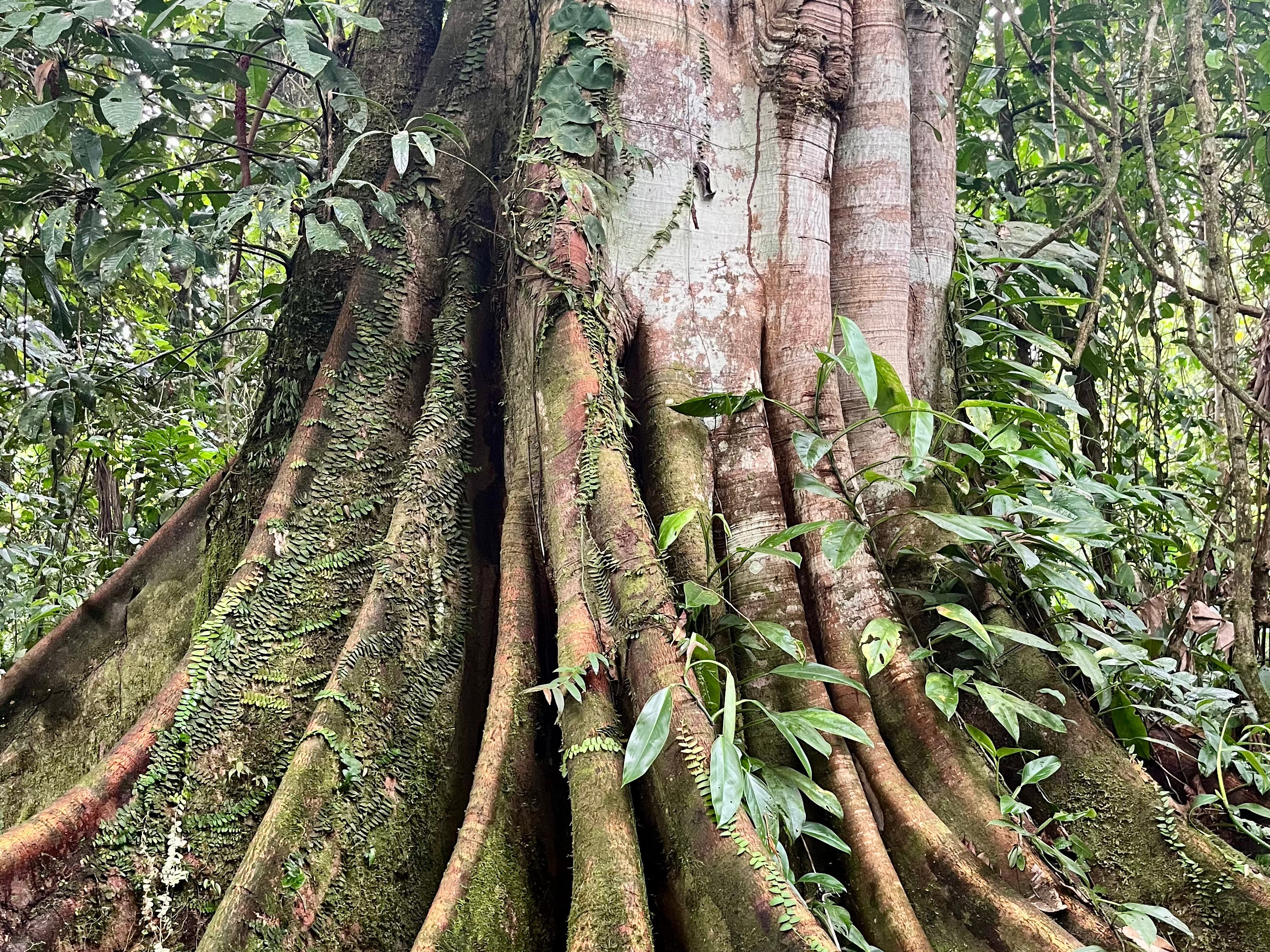
Alrighty! From where we left off, I had just hiked to Volcán Cotopaxi’s José Ribas Refugio and was embarking on a program excursion to Ecuador’s corner of the Amazon Rainforest the following day. Going into our Amazon excursion, I wasn’t sure what to expect as I tossed a couple of changes of clothes, bug spray, and a first aid kit into my backpack. But as soon as we stepped off the plane into Coca—a small city known for its namesake and oil—I was overcome by something that would remain at the forefront of our trip: the heat.
Raised in the temperate coolness of the Pacific Northwest, nothing can ever prepare me for the feeling of 100° and enough humidity to make my hair double in size.
The kind of heat that has you sweating out of every single pore on your body, not just your armpits. The kind of heat that makes you forget it’s March.
But there was little time to quabble about the temperature, for upon stepping out of the small, two–baggage-carousel airport, we dove right into our first tour with Hector—an Amazonian Kichwa lawyer, primate conservationist, and our guide for the trip.
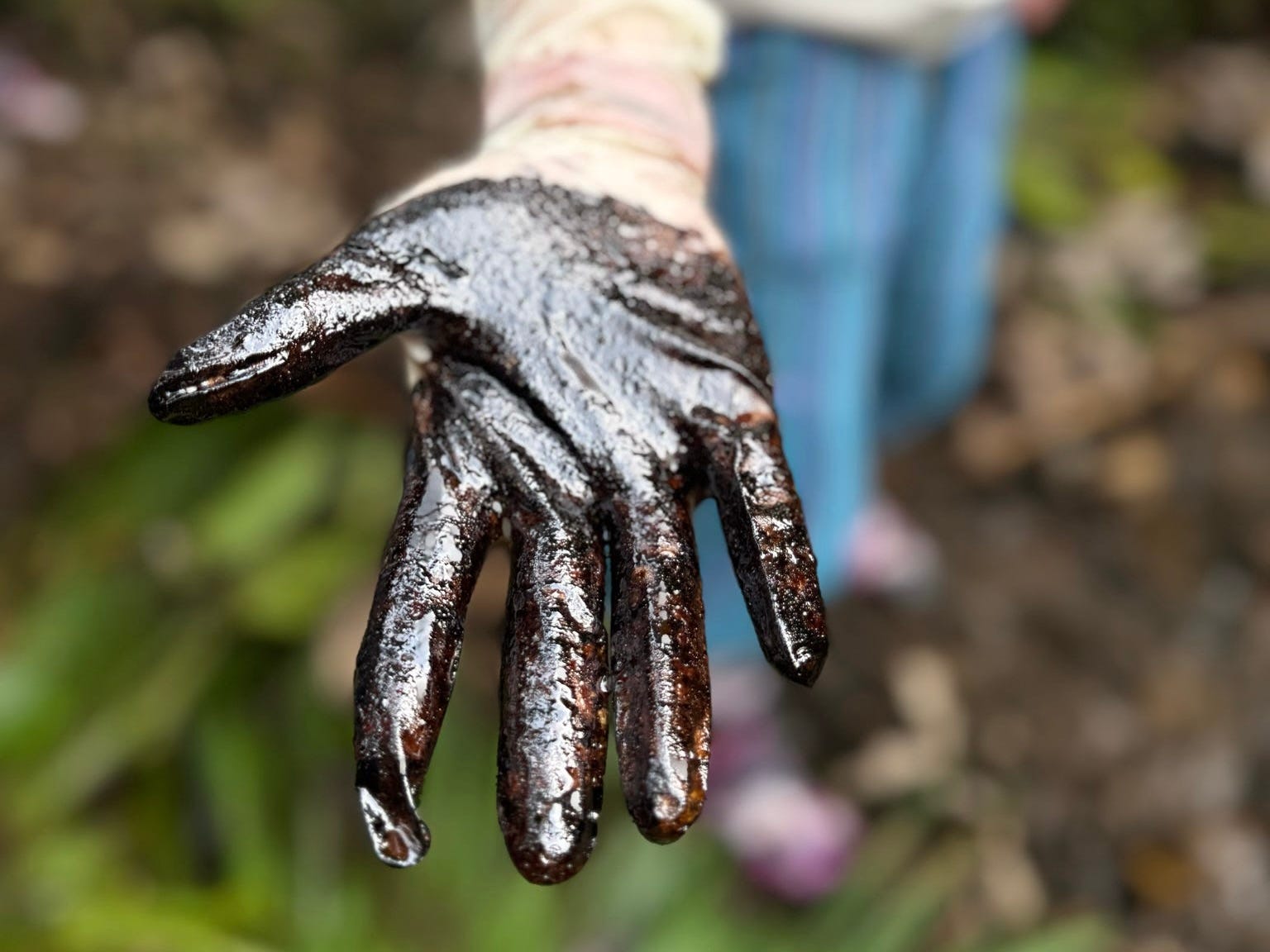
This first tour centered on two of the extractive industries that command the Amazon region of Ecuador: palm and crude oil.

Stark, to say the very least, is the word I would use to describe this tour.
The bursting green canopies that produce something like 20% of the world’s land-based photosynthesized oxygen gave way, without warning, to monoculture oil palm plantations, polluted winding waterways, and oil pump after oil pump—skirted by industrial dumping sites, homes, and people.
We visited the gas flare pictured above—one of over 450 that has burned continuously in this region for more than 50 years. Beneath our feet was an emblematically sinister graveyard of singed insects that had been drawn to the light of the flames.
Standing beneath this flame was sickening for multiple reasons. Not only was the sweltering heat, coupled with the surging flames, leaving us all on the brink of collapse, but the thought that this very fire had burned for 50 straight years—simply because the oil company behind it was too stingy to dispose of these byproduct gases in a responsible and safe way—disturbed me deeply.
As Hector knelt close to the ground, picking up the charred exoskeletons of beetles and butterflies, I wondered what the wildlife thought when hundreds of these eternal flames appeared in their forests. I also wondered about the nearby school we visited, and the lungs of the children who grow up breathing this chemical-laden air day in and day out.
For me, this moment beneath the gas flare was one of the most powerful yet.
That first night, after arriving at our hotel, having dinner, showering off the layer of dried salt that had accumulated throughout the day, and climbing under my bug net into bed, I felt struck by the paradox of the Amazon.
A place renowned worldwide for its biodiversity, its atmospheric rivers of flying water, its spectacular flora and fauna, among other things, is also home to perverse industrial exploitation, the violation of Indigenous health and sovereignty, sky-high cancer rates, and miles of polluting plantations. And I continued to struggle with this paradox throughout our excursion, questioning what the reality is for countries in the Global South under capitalism, where there seems to be little choice but to extract from and poison themselves and their land for a chance at survival.
I also thought a lot about what it meant to be a tourist in the Amazon.
Like many things in life, it’s easy to see only what you’re looking for—monkeys swinging between the most incredible sprawling trees, Indigenous communities with thatched roofs cultivating the land around them…
It felt off the beaten path, at least in this case, to find stories about the crises that face this incredibly special place. Being able to hear these stories from both Hector and the Añangu community of Kichwa Amazonian Indigenous women—who shared food, music, dance, and cultural objects with us—while simultaneously taking in the undeniable majesty of the rainforest felt like the ultimate privilege. One of my peers on the program aptly asked early on: what does it mean to be able to come into these precious and precarious places and spaces, learn and gather new perspectives from them, and then be able to retreat safely in the same bubble we arrived in? Which led me to wonder: how can we take what we’ve learned, seen, and experienced and use it to better our own communities? And, what responsibility do we have to the places we visit and inevitably leave a mark on?
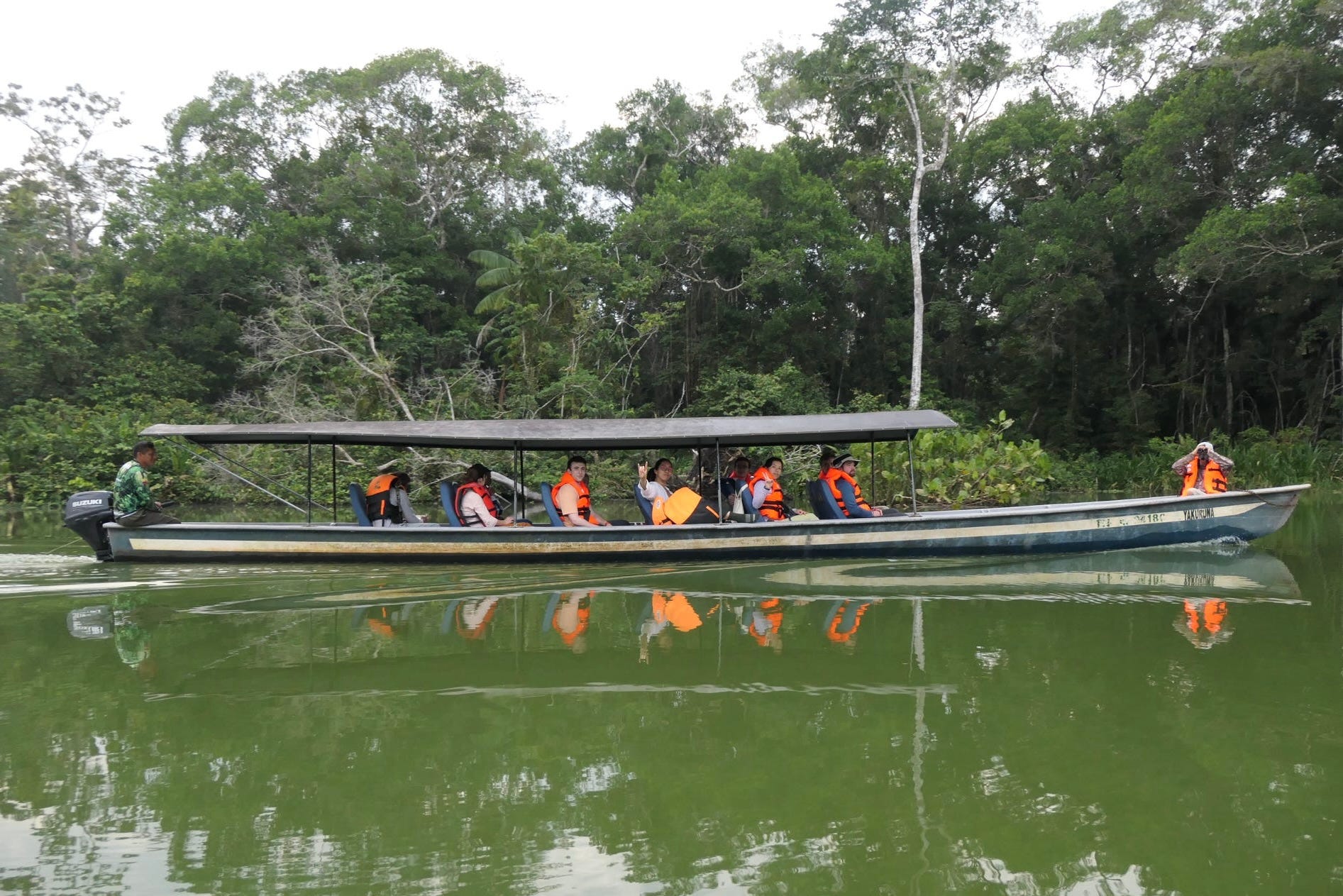
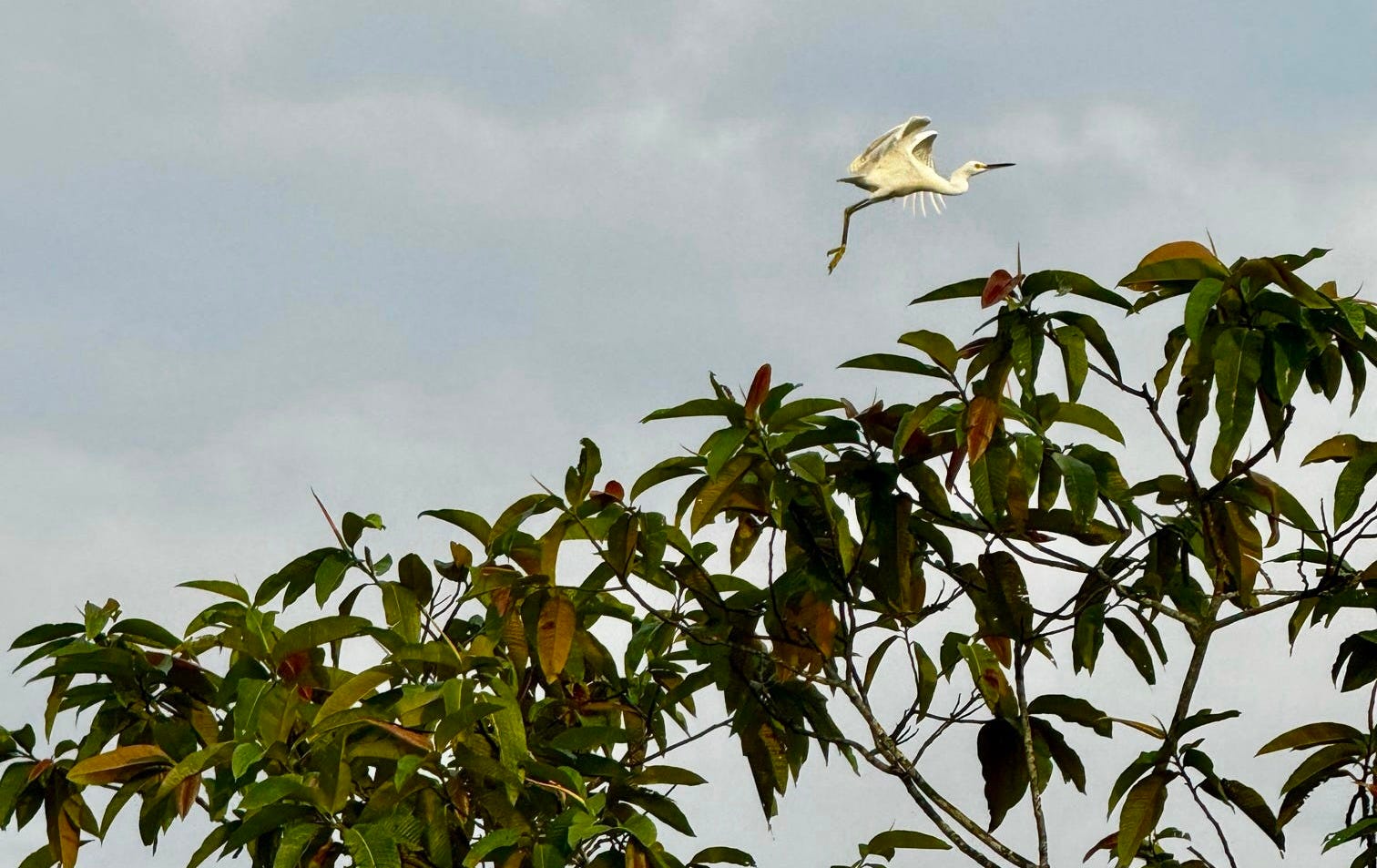
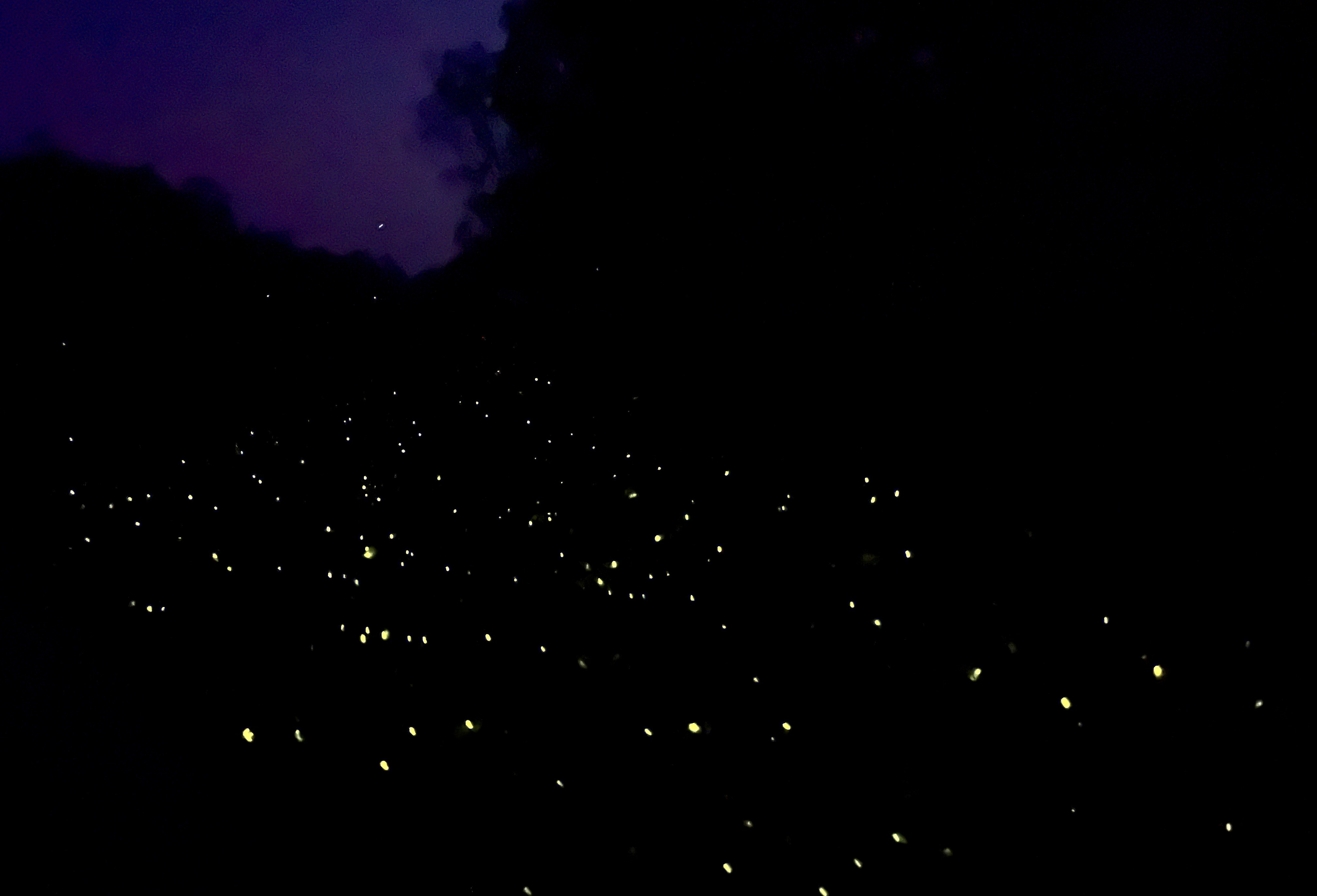
We returned to Quito from the Coca Airport that Friday, and I was grateful both to be back to milder temperatures and to have spent the time we did in the Amazon. Like I said, it was a privilege to see the pain and the power that this place holds. Both sides of the story provided incredibly value context and perspective.
And returning to Quito brought with it what I love most about the city—my precious host mom, her food cooked with so much love, her hugs, and the wickedly torrential afternoon rainstorms.
It felt real now, knowing that we had just less than a week left.
My last weekend in Quito was spent doing a lot of different homework, catching up on my journal and attending to the text messages I had let sit for the past week. I found myself smiling at the soundscape of Quito—the wailing truck that sounds like it should be selling ice cream (it’s selling gas) that passes the house every day, the constant chorus of barking dogs, my host mom giggling on the phone downstairs. I listened extra hard this past week with the hope of storing these sounds in my mind and heart to keep.
On Sunday, after a family breakfast–ceviche situation, we went to the mall to get ice cream with our host brother. Afterwards, a friend from the program, Arianne, came over and we sang while she played guitar.
I love these special moments—singing, laughing, whatever it may be. It’s when a new country starts to feel like home.
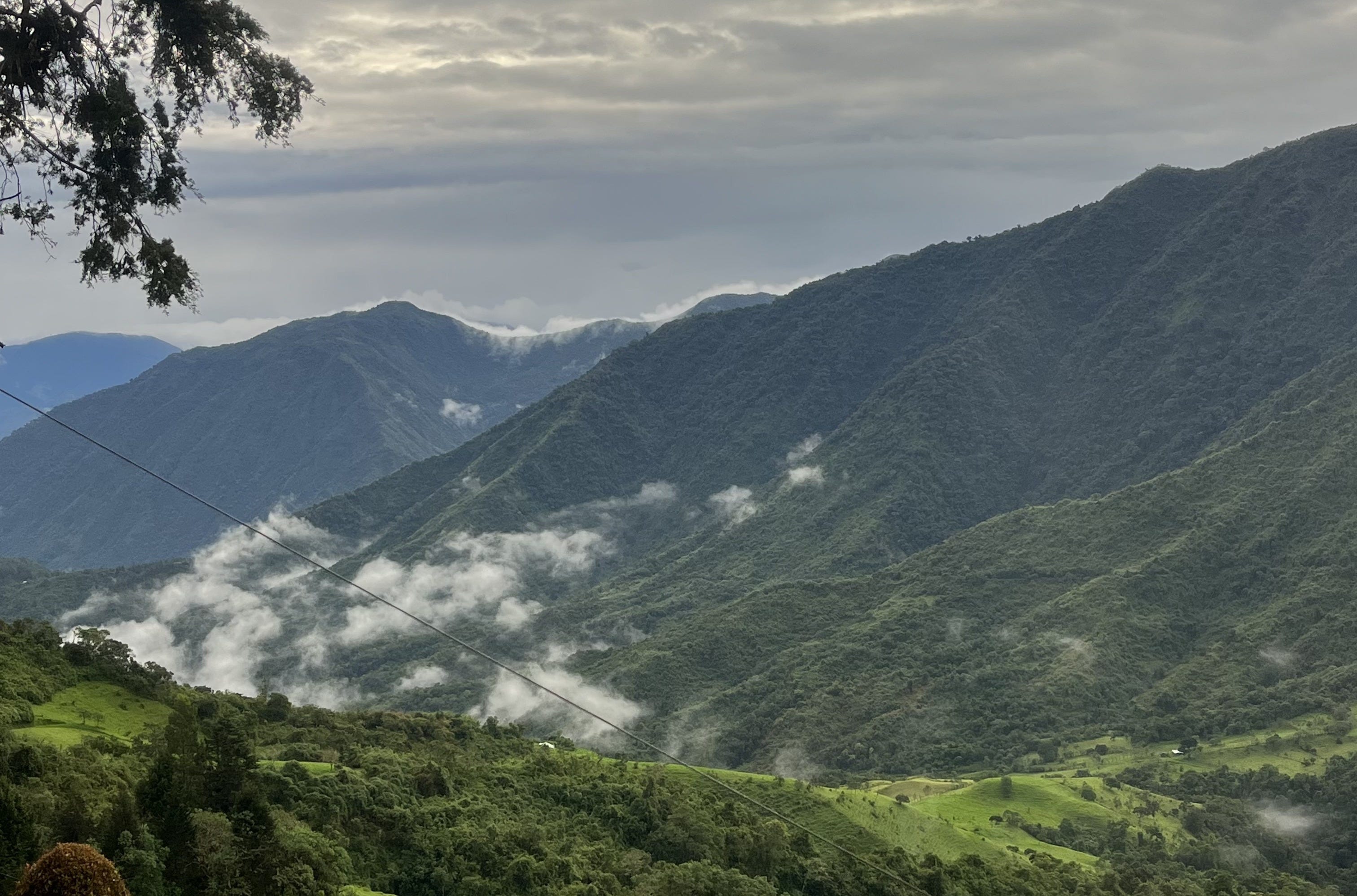
Our last week! (Which turned out to be just a Monday, Tuesday, and Wednesday due to our coordinator mixing up the day of our flight…)
Anywho, after a day of classes in Quito, off we went to the cloud forest for our final Ecuador excursion.
In the cloud forest, we stayed with the Yunguilla community—a group of about fifty families who all participate in sustainable conservation tourism. By hosting visitors in their homes or at their restaurant, the community earns income to support their families while also protecting the incredible surrounding forest and landscape, which are attractive to logging and mining companies.
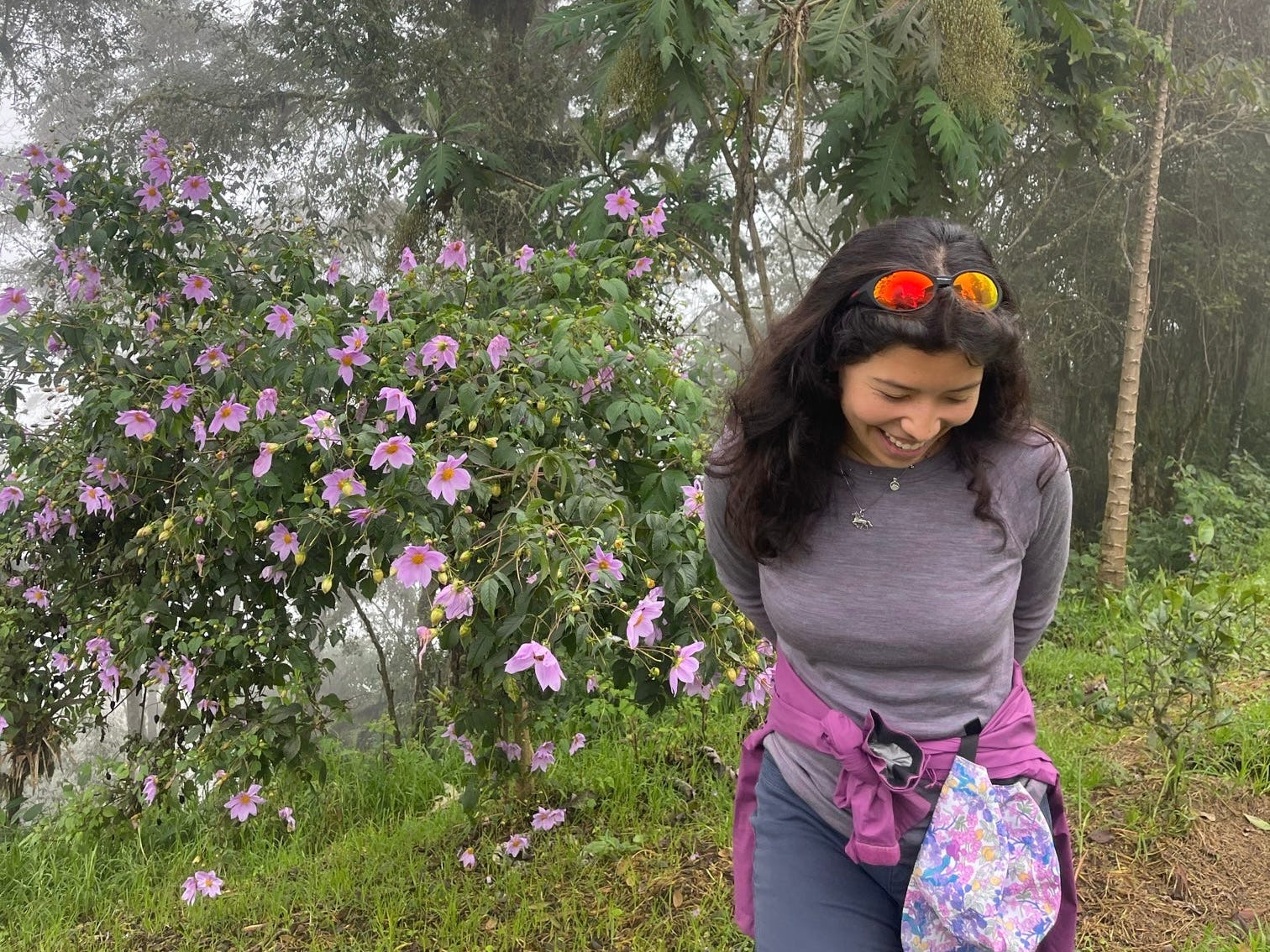
Similar to our first excursion to the San Clemente community, we stayed with host families in Yunguilla. This experience—staying with host families in general—has been perhaps the most valuable part of my study abroad experience so far.
I have learned so much from it: the rhythms and small details of Ecuadorian culture, lessons in language, and what it feels like to speak and live in a language that is not your own. I have truly loved the experience of living with strangers—and Yunguilla was extra fun because my host family had a ten-year-old golden retriever named Scott :D
Speaking of strangers, I wanted to note an observation I made about the treatment of what I might call peripheral people in Ecuador. By this, I mean people we interact with in our day-to-day lives—cashiers, delivery drivers, neighbors—people we may not know well enough to consider friends.
Something I found especially interesting was how Samiha’s and my host mom invited a man doing maintenance on the house in for coffee, lemonade, and full meals as he worked throughout the day. I asked her if he was a friend, and she said no—just someone she knows who helps with construction and maintenance projects.
I was struck by the care in this gesture. Maybe it’s considered common courtesy in Ecuador, but in the United States it would certainly be a rarity. I thought of the many landscapers who maintain the yards in my neighborhood back home and how they often eat their lunches in their trucks or somewhere shaded from the rain. I found myself wondering when American culture removed interactions like this from everyday life—the simple care for peripheral yet essential people whom we may not know personally but who provide important services in our daily lives.
It made me think back to my anthropology classes and consider how American society often frames relationships primarily through the exchange of monetary capital. After all, one might argue that as long as you are paying those landscapers, why invite them inside for lunch?
Yet here in Ecuador, it seemed evident that social capital still plays an important role in everyday interactions like this one. And while my host mom is an exceptionally generous person, I was still inspired by her way of noticing and authentically giving to the people who exist at the periphery of her daily life.
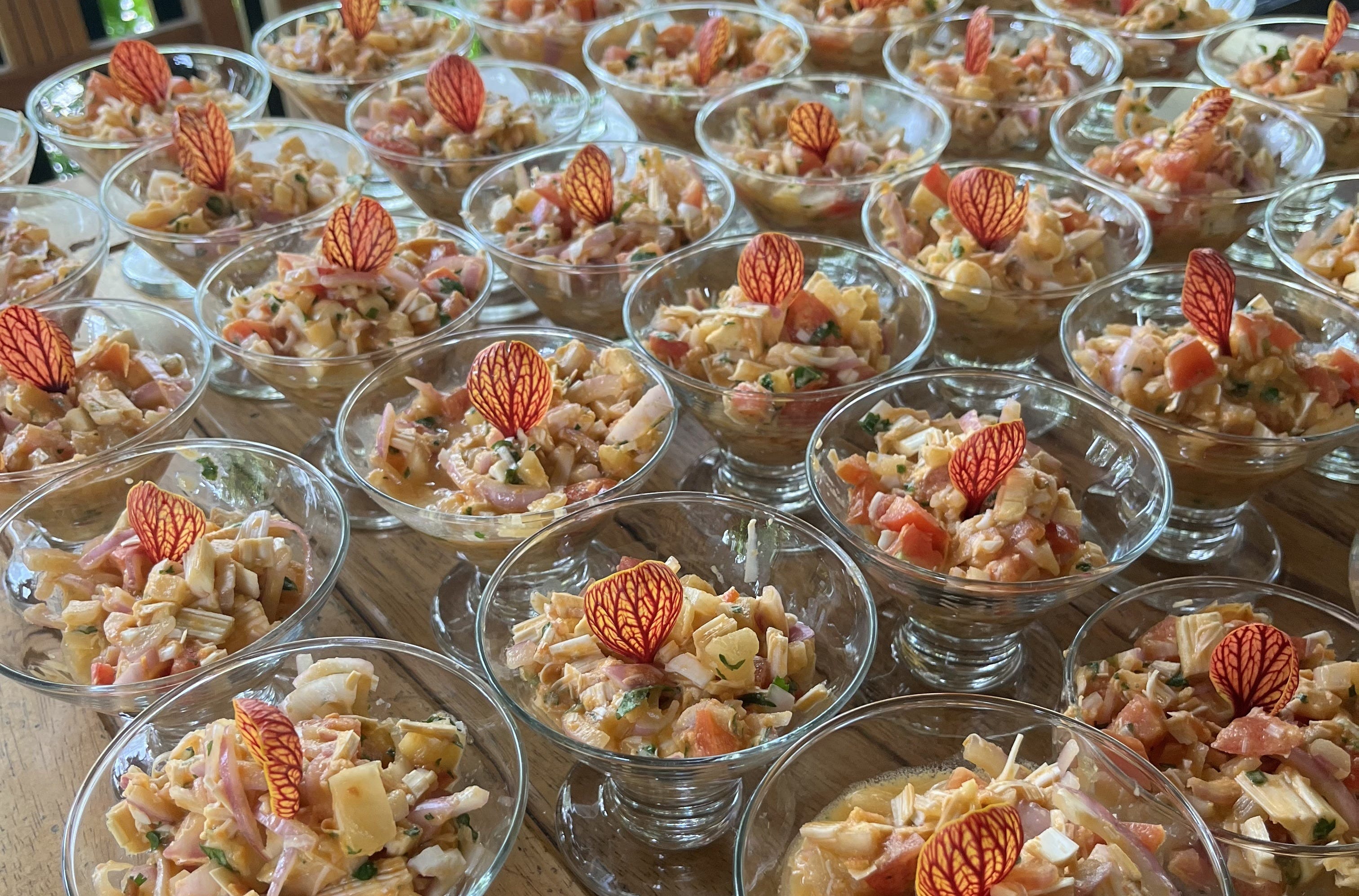
Our final learning excursion in Ecuador was cooking with Nina at the Reserva Intillacta—a protected family farm and wildlife reserve nestled in the cloud forest. We spent the day learning about the incredible plant biodiversity in the area and just how many of these plants can be cooked, eaten, and enjoyed.
It was interesting to learn that, through colonization and Ecuador’s shift toward exporting industrially produced agricultural products, many Ecuadorians have lost a great deal of dietary diversity, knowledge of edible plants, and food sovereignty—the ability to access diverse and healthy foods—that once existed. This made me curious about what edible plants we might have at home in Washington that we overlook in favor of mass-produced, imported products.
It also renewed my excitement to grow some of my own food in the future!
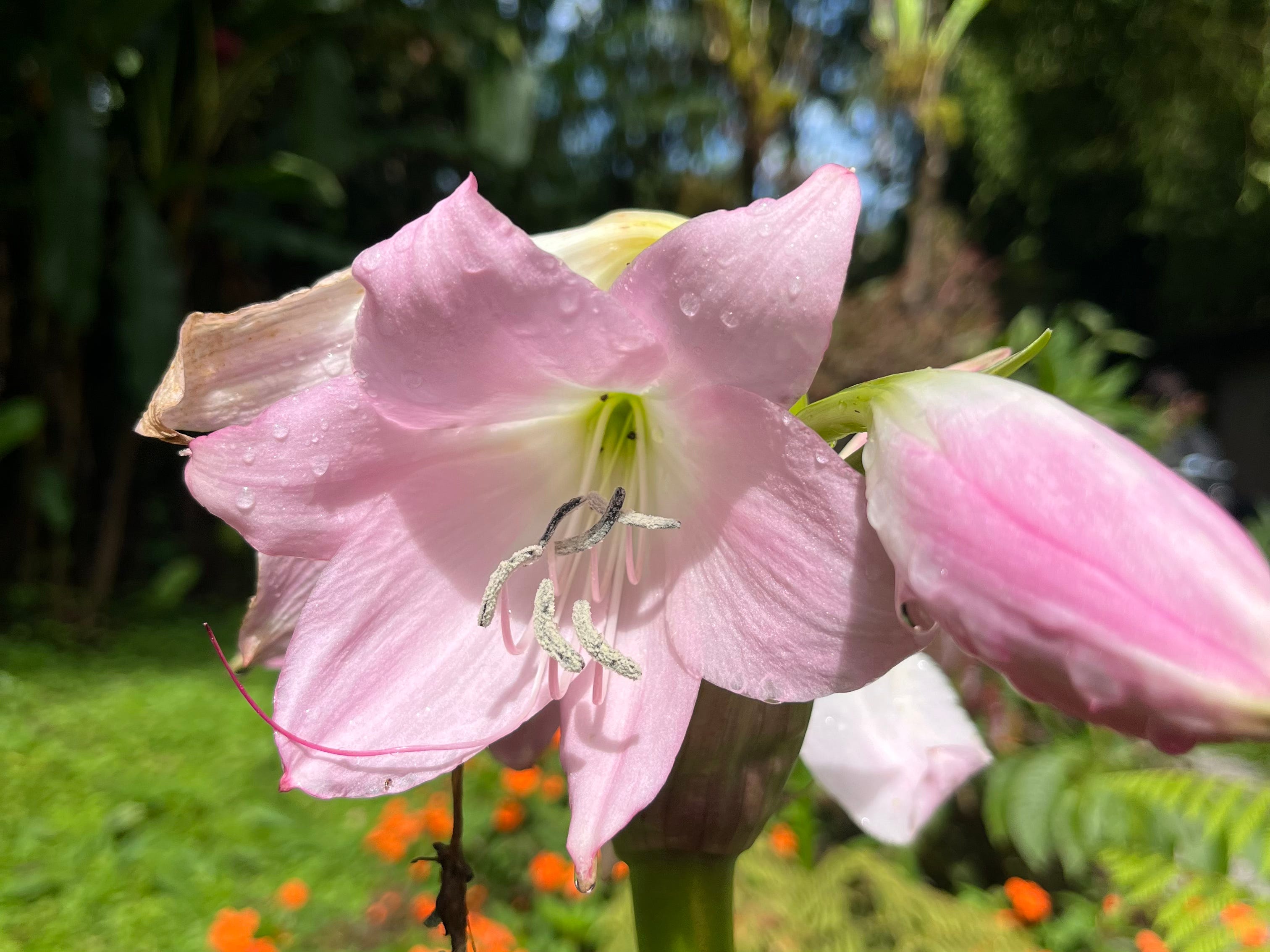
And just like that, it was time to say goodbye to Ecuador.
Samiha, who was simply the best sister I could have had in Ecuador, and I sat in a café on our last afternoon before our flight, and I felt my heart twinge with homesickness. I think the reality of our traveling program had finally settled in—that later that evening I would be getting on a flight to Morocco instead of heading home.
However, there’s a saying I’ve heard from PCT hikers (for context, the PCT is a 2,650-mile continuous thru-hiking trail from Mexico to Canada along the West Coast): “the trail provides.” It means that in low moments, or moments of struggle, the magic of the trail offers some gift or optimism just when you need it.
In that moment of homesickness, sitting in that café with Samiha, the “trail” provided. Out from around the corner appeared a woman in a cobalt sweater who asked, “Do you go to Middlebury?” My jaw dropped as I answered an ecstatic yes.
This woman—a Midd alum who had studied abroad in Ecuador and returned with her husband and six-month-old baby for a friend’s wedding—was all the reminder I needed that my home, my community, can appear anywhere in the world. I was so grateful for this moment: a serendipitous reminder of why I’m here, appearing right when I needed it.
Of course, she knew I went to Middlebury because I was trying to explain the concept of j-term. An easy giveaway!
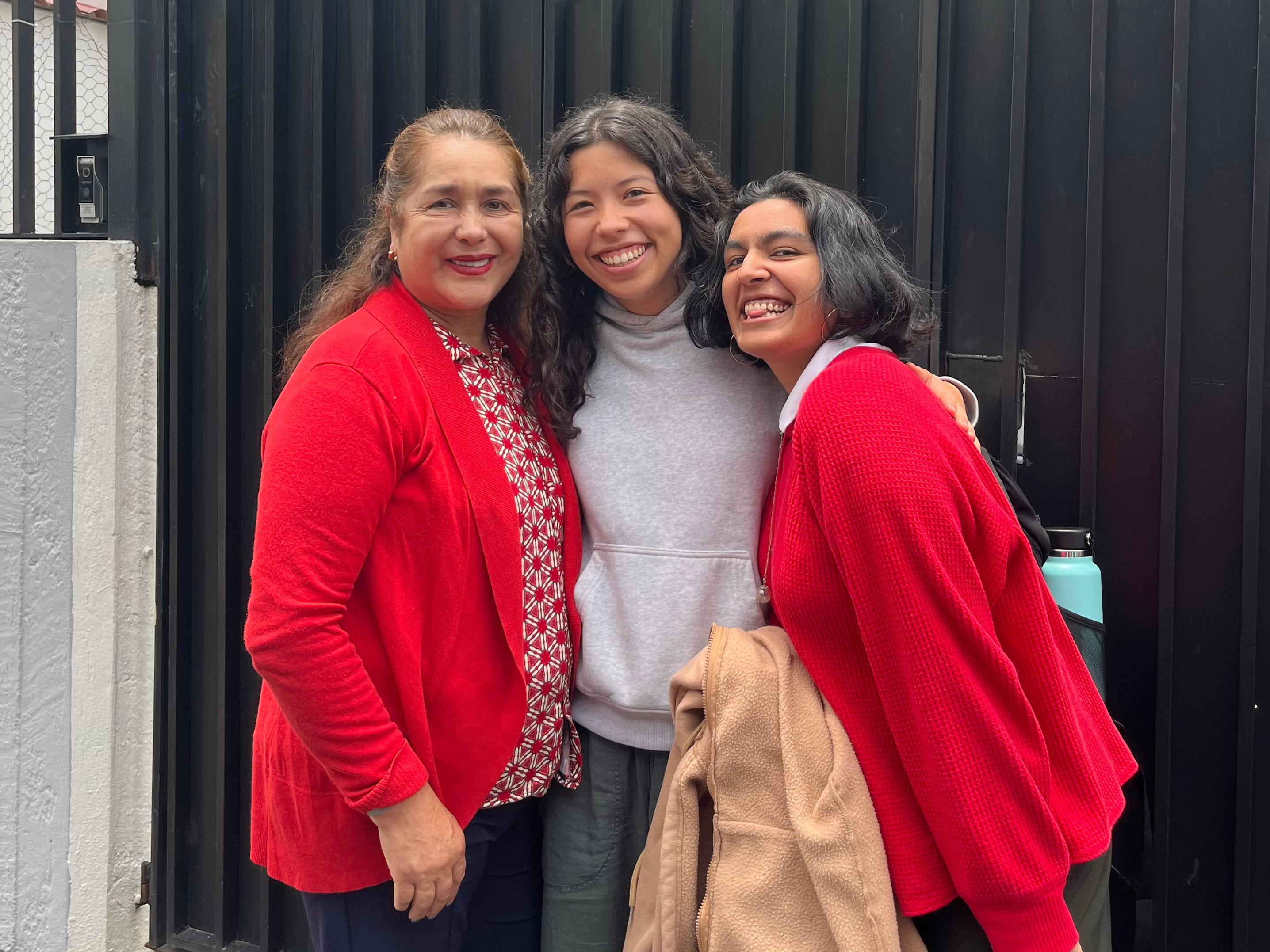
After many tight hugs and muchas gracias’s, we departed Ecuador.
What a wonderful month it was—speaking Spanish, visiting places I’d never been before and seeing things I never would have dreamed up seeing.
I am so grateful to my Ecuadorian host family for making this experience an unforgettable one, and I’m so excited to move on to country #2: Morocco!
Linked here is my final Ecuador video montage.
Lots of love,
Lucy
Hi it’s your best friend from many many miles away and I love you and I miss you and I LOVED reading this. xoxoxoxoxo okay bye ttyl
Beautiful writing, beautiful introspection, and beautiful pictures!! <3